ABB has revised four sections of its U.S. BuyLog in July 2026: safety switches and AC disconnects, panelboards, switchboards, and automatic transfer switches. For distributors, panel builders and project buyers, the update is a practical signal to recheck catalog references before the next quotation or submittal.
Which ABB BuyLog Sections Changed
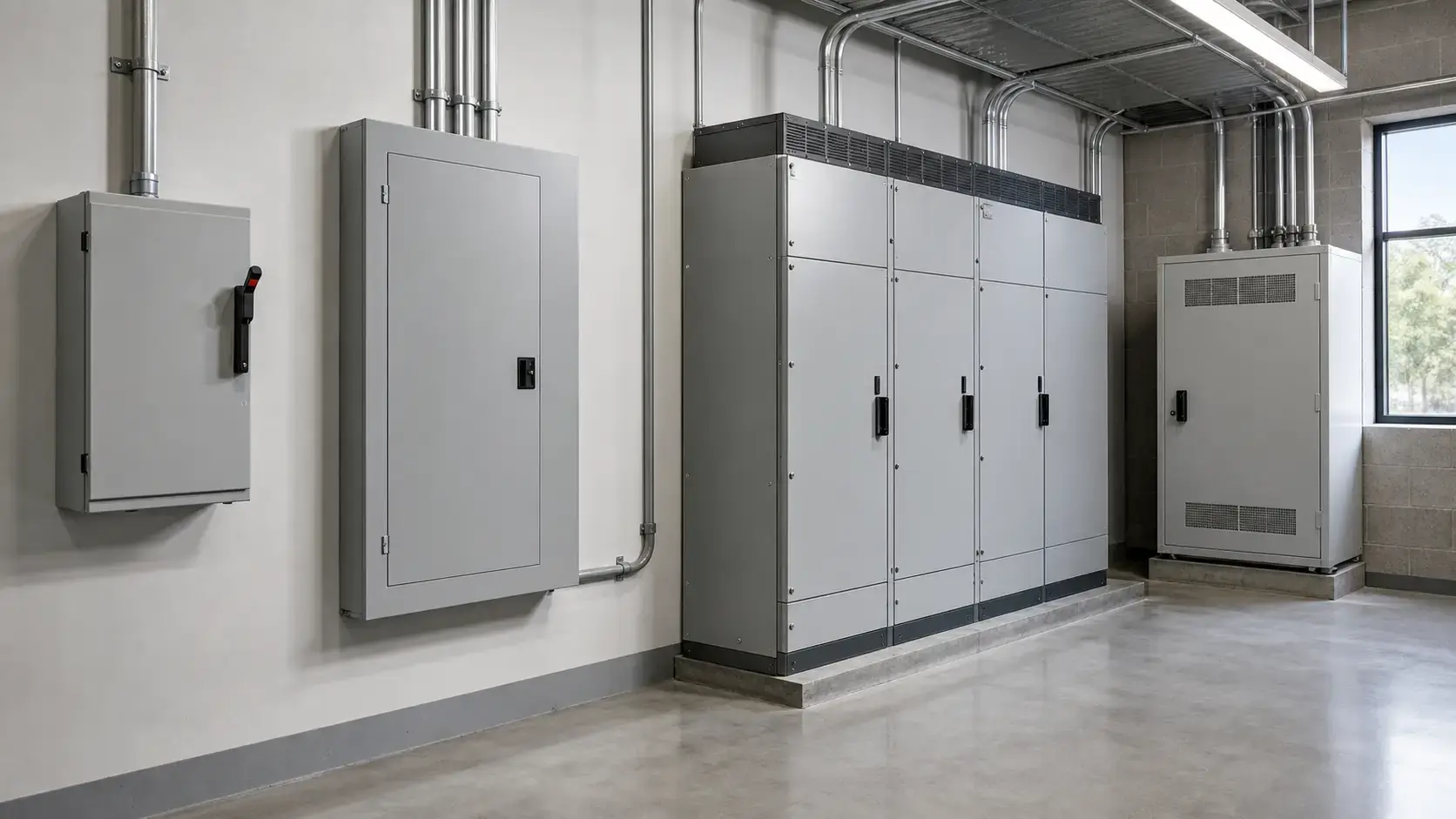
ABB’s official BuyLog index currently marks Section 4, Section 11, Section 12 and Section 14 as revised in July 2026. These sections cover safety switches and AC disconnects, panelboards, switchboards and automatic transfer switches respectively.
The revision labels confirm that newer catalog files are available. They do not, by themselves, prove that every product, rating or price in those categories changed. Buyers should compare the current document with the exact edition used for an existing quotation instead of treating the revision month as a blanket product change notice.
Why the Update Matters to Low-Voltage Buyers
These four product groups often appear together in commercial, industrial and standby-power projects. A safety disconnect may sit upstream of equipment, panelboards distribute branch circuits, switchboards organize larger distribution systems, and an automatic transfer switch manages the transition between normal and alternate power sources.
A revised selection document can affect work even when the electrical design is unchanged. Catalog numbers, accessories, dimensional data, available ratings, ordering logic or supporting references may differ between editions. Using an older PDF in an RFQ can therefore create avoidable clarification rounds between the buyer, distributor, panel builder and consultant.
Four Checks Before Reusing an Older ABB Specification
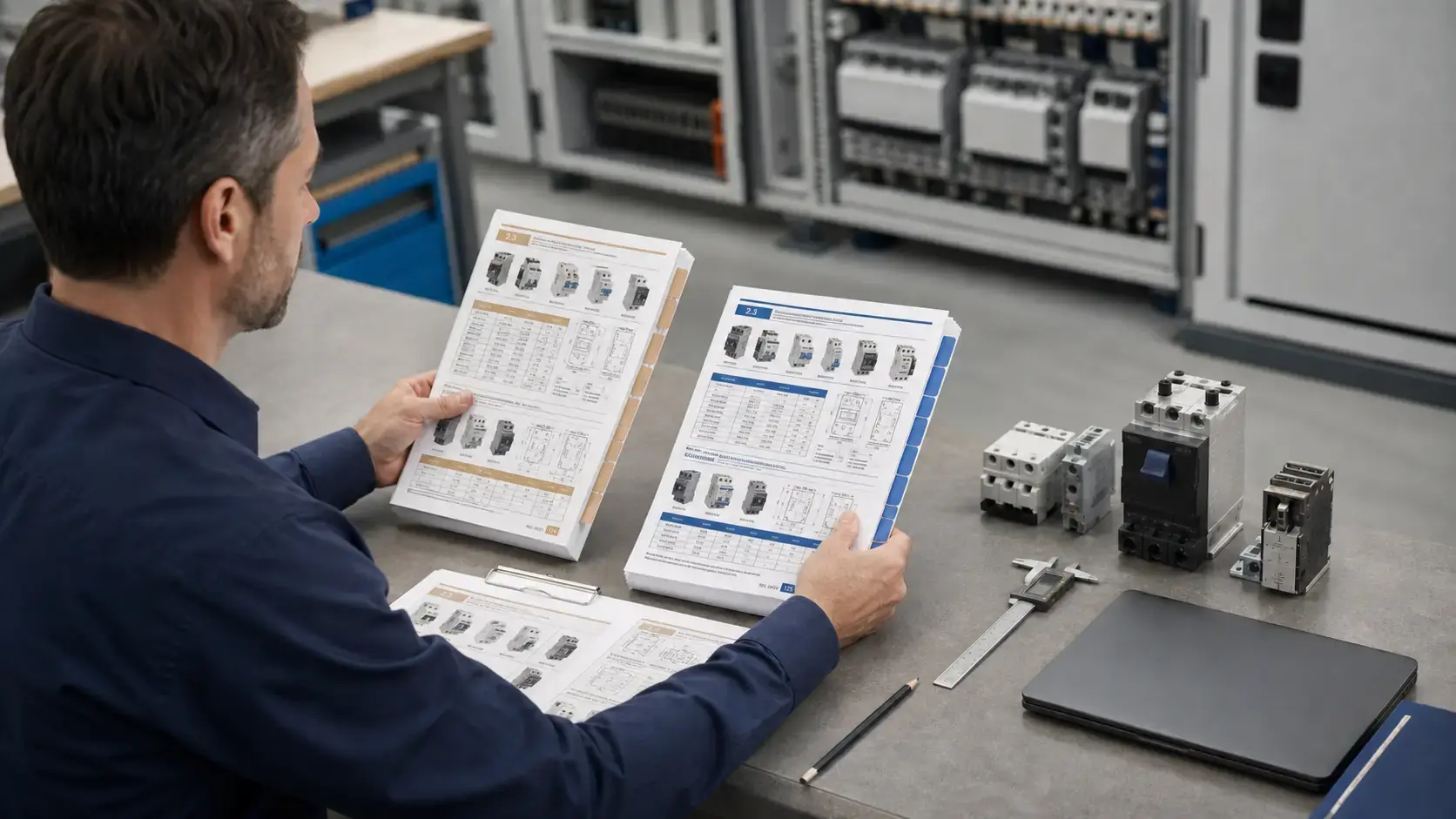
- Confirm the document revision. Match the section number and July 2026 revision shown on ABB’s current BuyLog page.
- Revalidate the catalog number. Check the complete configured part number, not only the product family name.
- Review ratings and accessories. Verify voltage, current, poles, enclosure type, interrupting or withstand ratings, neutral and ground options, and required accessories for the application.
- Refresh the submittal package. Replace superseded catalog pages in bids, approved-vendor files and project records while retaining the earlier edition for traceability.
Do Not Substitute Across Product Families Without Engineering Review
A newer catalog reference does not automatically authorize a substitution. For a safety switch or disconnect, the enclosure, fuse class, service-entrance suitability and application rating can be decisive. For a panelboard or switchboard, bus rating, short-circuit rating, breaker compatibility, dimensions and certification scope may control approval. For an automatic transfer switch, transition type, controller functions, bypass arrangement and generator interface can be project-specific.
If an older catalog number is no longer found, ask ABB or an authorized channel partner for a documented replacement path. The replacement should then be checked against the approved single-line diagram, load calculation, coordination study, installation space and local code requirements.
What Importers and Distributors Should Update
Procurement teams should attach the current catalog section to new RFQs and record the revision date in their sourcing file. Distributors can also review saved quotation templates, ERP descriptions, cross-reference tables and website listings that still point to older documents.
For open projects, the safest approach is a controlled comparison: identify the originally quoted edition, confirm whether the selected item remains current, document any difference, and obtain approval before changing the bill of materials. This keeps a catalog refresh from becoming an undocumented field substitution.
Takeaway
ABB’s July 2026 BuyLog revisions are a document-control trigger for four important U.S. low-voltage categories. Before issuing the next quote or submittal, confirm the latest section, validate the exact catalog number and ratings, and document any replacement or configuration change with the responsible technical party.