The International Electrotechnical Commission published IEC 60947-5-3:2026 on August 19, 2026. The third edition updates the requirements for proximity devices with defined behaviour under fault conditions, commonly identified as PDDB devices, when they are used in safety-related control systems.
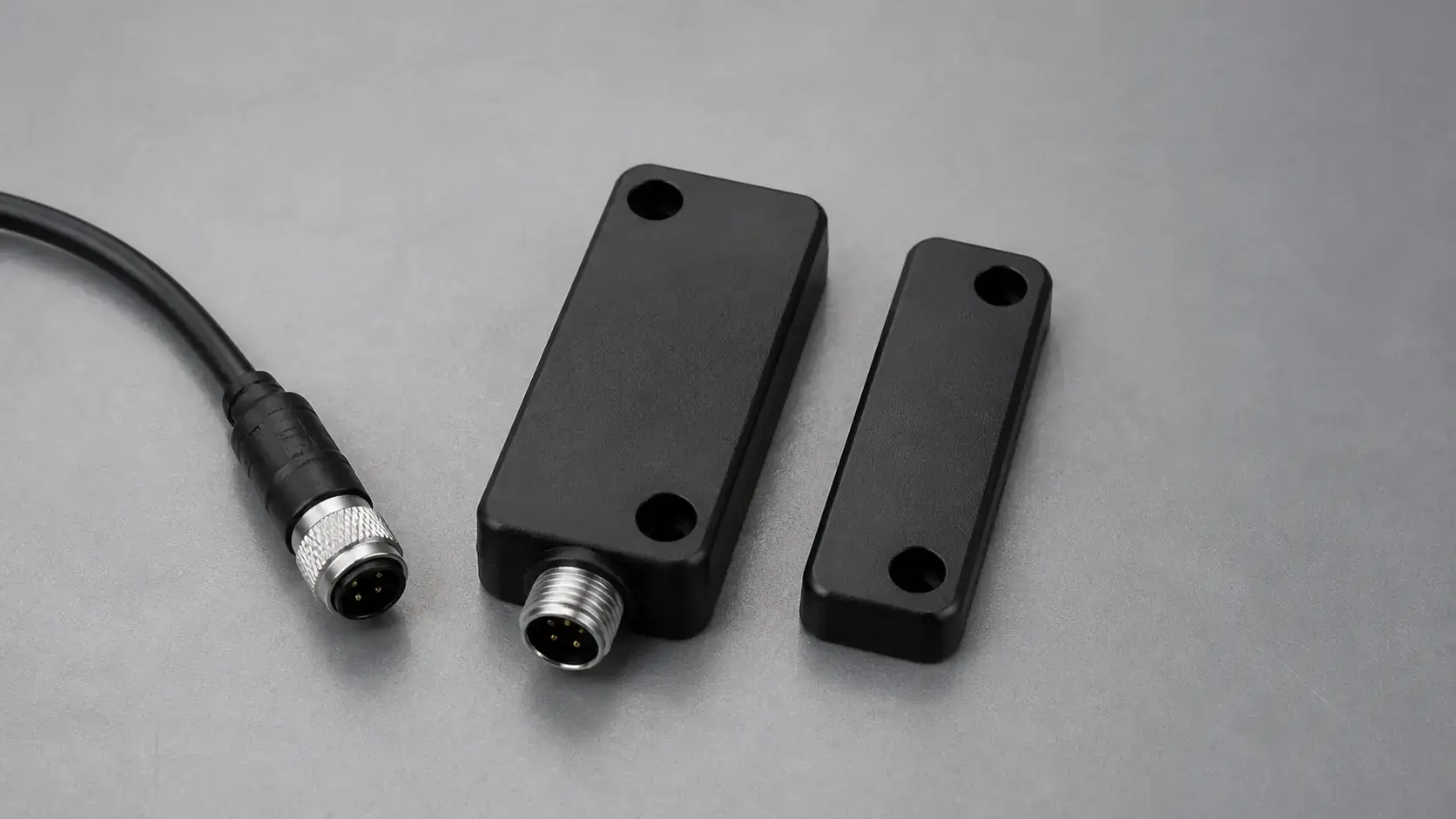
What IEC 60947-5-3 Covers
The standard adds requirements to IEC 60947-5-2 and to the reed-contact magnetic-switch provisions referenced from IEC 60947-5-1. Its focus is the fault-performance behaviour of proximity devices used as sensing subsystems in safety-related control systems.
The scope does not cover protective equipment that directly detects a person under the IEC 61496 or IEC TS 62998 series. It also does not specify analogue-output requirements, software updates, self-evolving behaviour or explosive-atmosphere applications.
What Changed in the 2026 Edition
According to the IEC publication summary, the third edition replaces the 2013 second edition and makes a broad technical revision. The changes include:
- an updated scope and clearer links to functional-safety standards;
- a general definition of the safe state as the OFF state;
- updated electromagnetic-compatibility requirements and acceptance criteria;
- new interface types for binary interfaces;
- functional-safety device types aligned with ISO 13849-1:2023 Annex O;
- updated interlocking-device types and coding levels linked to ISO 14119;
- new operating modes for target present and target absent;
- replacement of older release and operating terminology with switching distance;
- replacement of risk time with safety response time; and
- revised test sequences for the specified PDDB behaviour.
Why the Update Matters to Device Buyers
A safety proximity device is not selected only by sensing distance, housing size and connector type. Its fault behaviour, interface, safe state and response timing must match the safety function in which it is used.
This makes edition control important. A supplier report based on the previous edition may not address the terminology, interface classification or verification approach used in the 2026 edition. Buyers should check the standard number, edition year and exact tested model before accepting evidence.
What Manufacturers Should Review
- Product classification: confirm whether the device is actually a PDDB and identify its intended safety-related use.
- Safe-state behaviour: document how the output responds to detected faults and whether the claimed OFF state is achieved.
- Binary interface: identify the interface type and match it to the downstream safety controller.
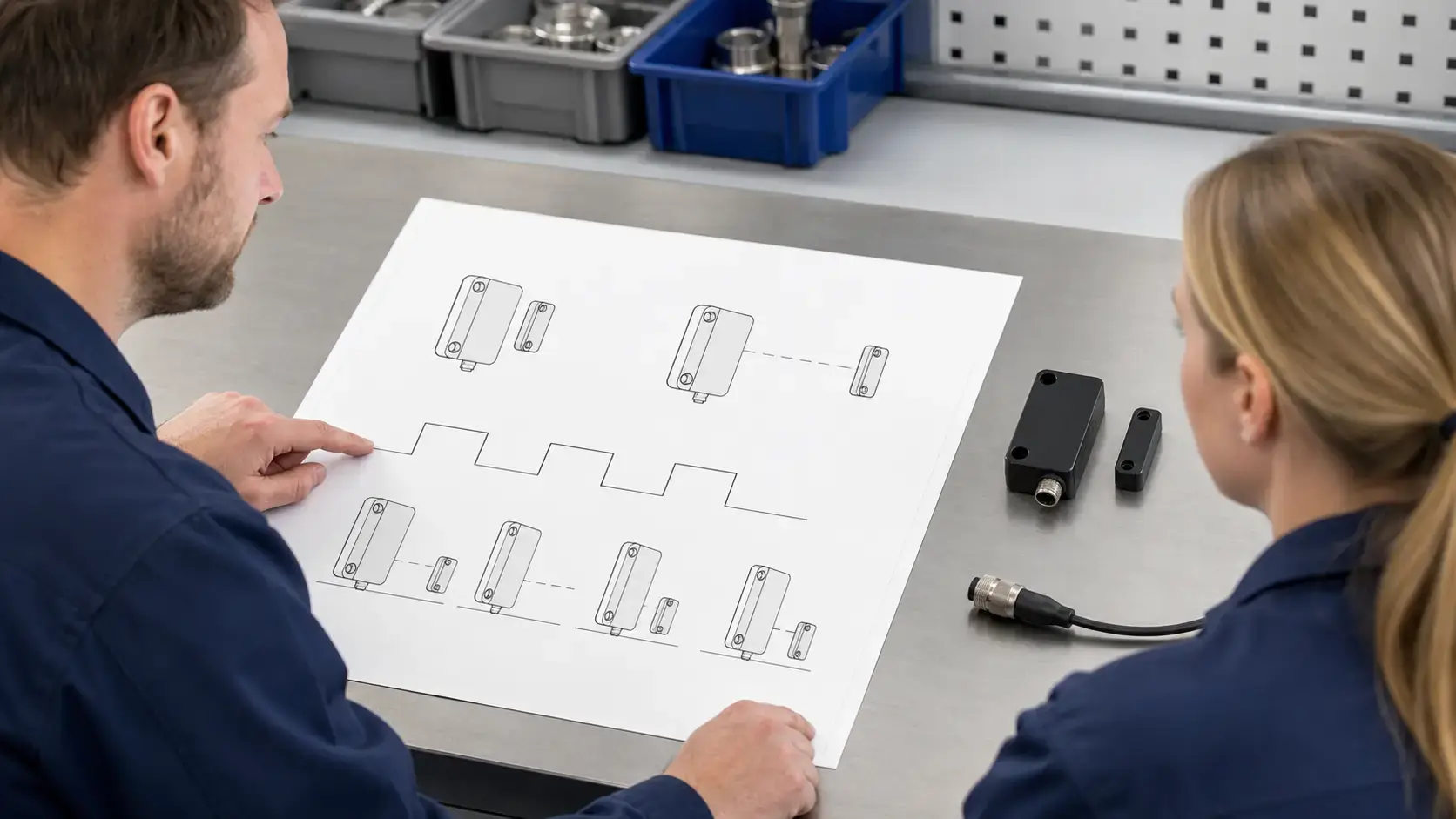
- Operating mode: distinguish between target-present and target-absent behaviour in specifications and validation plans.
- Switching distance: update drawings, tolerances and verification records to the current terminology and method.
- Safety response time: align declarations, calculations and test reports with the new term and applicable safety function.
- EMC evidence: verify that the report uses the acceptance criteria and references identified by the current edition.
- Interlocking data: state device type and coding level when the product is intended for an interlocking application.
What to Add to the RFQ
For a safety proximity device, the RFQ should lock the exact model, sensing principle, interface type, operating mode, switching-distance range, safety response time, connector, supply conditions, environmental limits and intended interlocking use.
Ask the supplier to identify the edition of IEC 60947-5-3 used for design and testing. If the report predates the 2026 edition, request a documented gap review rather than assuming the old evidence transfers automatically.
Compliance Boundary
IEC 60947-5-3:2026 is an international product standard, but publication does not by itself create the same legal transition date in every market. National adoption, certification-scheme rules, customer specifications and machinery-safety requirements can follow different schedules.
The IEC web summary identifies the major changes but is not a substitute for the complete standard. Clause-level design decisions and conformity claims should be checked against an authorized copy and the applicable market requirements.
Takeaway
The 2026 edition moves the conversation beyond a sensor that simply changes state. Buyers now need clear evidence for fault behaviour, interface classification, operating mode, switching distance, response timing and safety-system integration. Put the edition year into the RFQ and test-report review checklist.