Schneider Electric announced on September 14, 2026, that it will invest A$2.5 million in a new smart air circuit breaker and moulded-case circuit breaker production line at its Gepps Cross manufacturing site in Adelaide, South Australia.
The company says the expansion will double its air and moulded-case circuit breaker production capacity in the Pacific and create more than 25 skilled manufacturing jobs. The line is expected to become operational in the first quarter of 2027, so the announced capacity increase is a forward-looking target rather than current output.
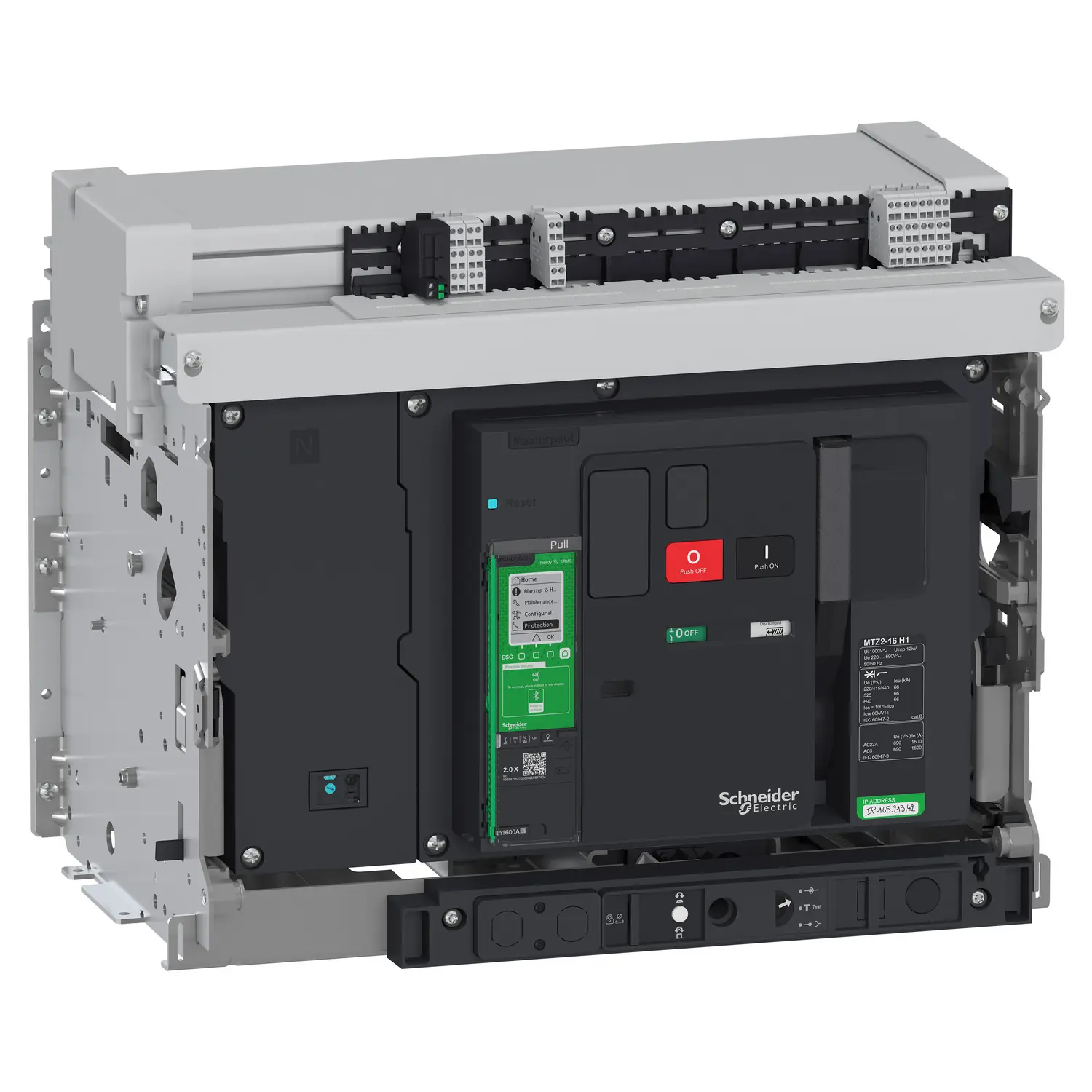
What Schneider Electric is adding at Gepps Cross
The planned assembly line will span approximately 21 metres and bring a capability currently operated from Schneider Electric’s Local Adaptation Centre in Ingleburn, Sydney, to the Adelaide site. Gepps Cross already combines manufacturing, research and development, logistics and several commercial and technical functions.
Schneider Electric says the new line will produce high-value low-voltage circuit breakers, including products from the ComPacT NS moulded-case range and the MasterPacT MTZ air circuit breaker range. These devices are used to manage and protect electrical distribution in energy-intensive and critical facilities.
The investment follows a 10-year lease extension at Gepps Cross. More than 400 people already work at the site, and the company expects the expansion to add upwards of 25 roles in Adelaide.
Digital production controls are central to the project
The announcement describes a digitally guided assembly process rather than a conventional stand-alone production line. Product configurations will be communicated to production stations electronically, giving operators the required component list, assembly sequence and torque settings for each unit.
Interlocked steps are intended to prevent a breaker from advancing when a required operation has not been completed correctly. This approach can help control product variants and reduce the risk that an assembly stage, component selection or tightening requirement is missed.
Schneider Electric has allocated approximately A$500,000 of the investment to testing equipment. The company links that equipment with quality control and traceability, although its announcement does not publish test limits, cycle times or projected annual unit volumes.
Why ACB and MCCB production matters
Moulded-case circuit breakers are commonly used for higher-current distribution and equipment protection, while air circuit breakers are generally applied at the main or high-capacity end of low-voltage switchboards. Their exact ratings and protection functions depend on the selected frame, trip unit and accessories.
Schneider Electric identifies data centres, defence, mining and major infrastructure as demand drivers for the expanded capability. These applications can require configurable protection, communications, metering and documented test evidence, making assembly control and traceability commercially important alongside manufacturing volume.
The company also points to preparations for the Brisbane 2032 Olympic and Paralympic Games as part of the broader infrastructure pipeline. The announcement does not state that the new line has secured contracts for any specific project.
What the capacity claim does and does not mean
The statement says the investment will double air and moulded-case circuit breaker production capacity in the Pacific. It does not disclose the existing baseline, the future number of units per year or how output will be divided between product families.
For buyers, local assembly does not remove the need to verify the exact breaker configuration. Frame size, breaking capacity, trip-unit settings, poles, communication options and accessories must still match the approved design and switchboard documentation.
Likewise, a digitally controlled line supports process consistency but does not by itself establish conformity for every finished configuration. Product specifications, applicable standards, routine tests and project documentation remain the basis for acceptance.
Practical points for panel builders and project buyers
- Confirm the exact range: distinguish ComPacT NS moulded-case products from MasterPacT MTZ air circuit breakers and record the complete catalogue reference.
- Freeze approved configurations: link trip units, ratings, accessories and communications options to controlled project drawings and bills of material.
- Request traceability: retain serial, production and test records for breakers installed in critical switchboards.
- Verify settings: coordinate protection settings with the system study rather than relying on factory defaults or product-family assumptions.
- Check interfaces: confirm terminal arrangements, busbar connections, clearances and mechanical integration for the selected switchboard design.
- Plan commissioning: define inspection, secondary-injection or functional testing requirements before equipment arrives on site.
- Separate capacity from availability: confirm lead times and approved local configurations after the line becomes operational.
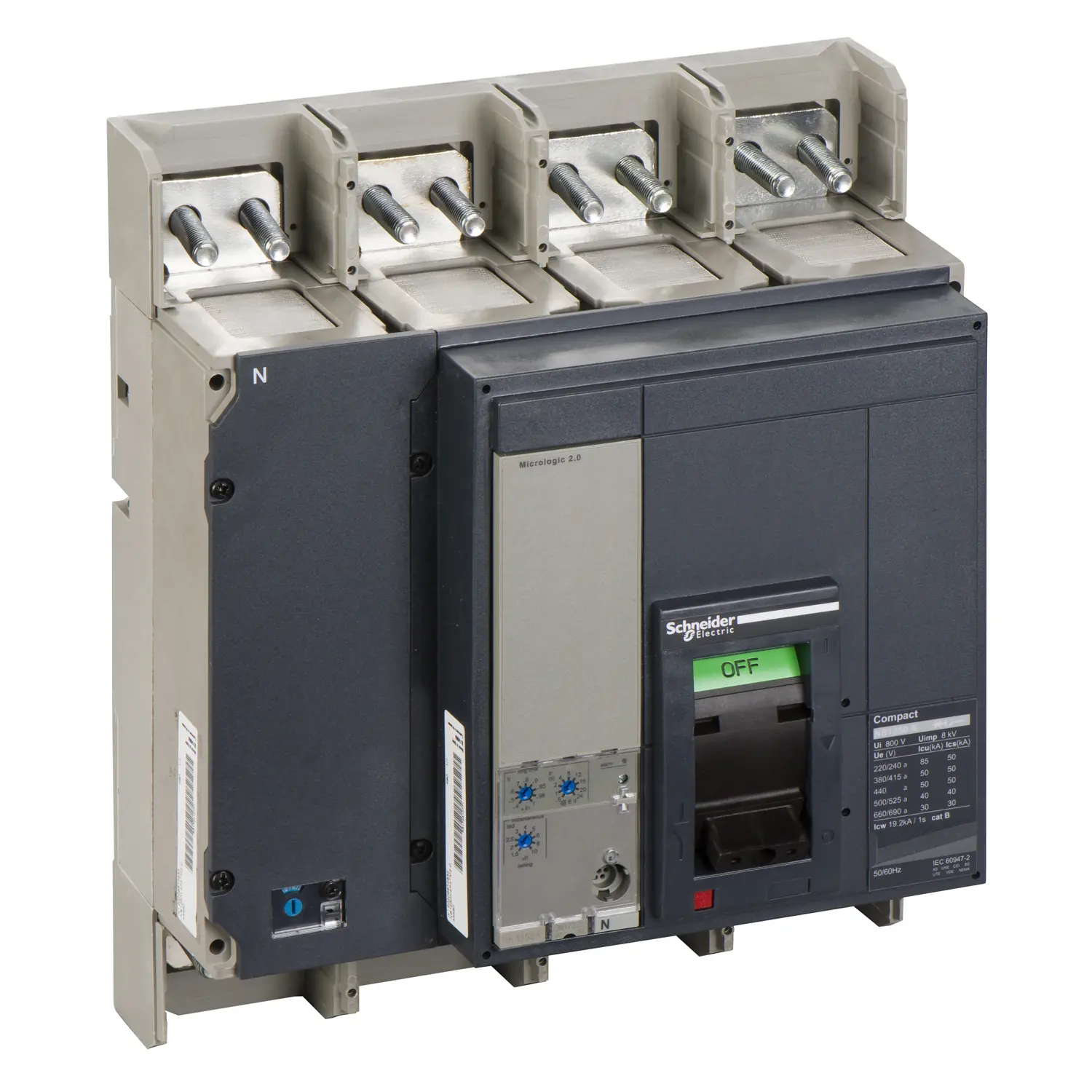
What to watch before the Q1 2027 start
The most useful follow-up indicators will be the actual commissioning date, locally assembled catalogue references, published lead-time changes and the test documentation supplied with finished products. Those details will show how the announced investment translates into procurement and project delivery.
Manufacturers and distributors may also need to explain whether a locally assembled configuration is technically identical to an imported version, which components remain globally sourced and how product changes are reflected in certificates and project submittals.
The expansion is therefore relevant beyond its headline capacity figure. It illustrates how digital work instructions, interlocked assembly and end-of-line testing are becoming part of the value proposition for critical low-voltage equipment.
Takeaway
Schneider Electric’s Adelaide investment is a manufacturing-capacity announcement with a defined timetable: a new digitally guided ACB and MCCB line, more than 25 expected jobs and planned operation in Q1 2027. For electrical buyers, the practical value will depend on configuration availability, traceable test evidence and consistent delivery after commissioning.