The UK Office for Product Safety and Standards published a recall on September 15, 2026, for selected batches of Diall 16A blue site connectors and surface sockets. The products present a high risk of electric shock, overheating and fire because the live and neutral terminal markings are reversed.
The recall covers male connector barcode 5052931116324 and female surface socket barcode 5052931116331. The official notice says the affected products were sold from March 2025 to August 2026 and were recalled from end users by Kingfisher International Products Limited.
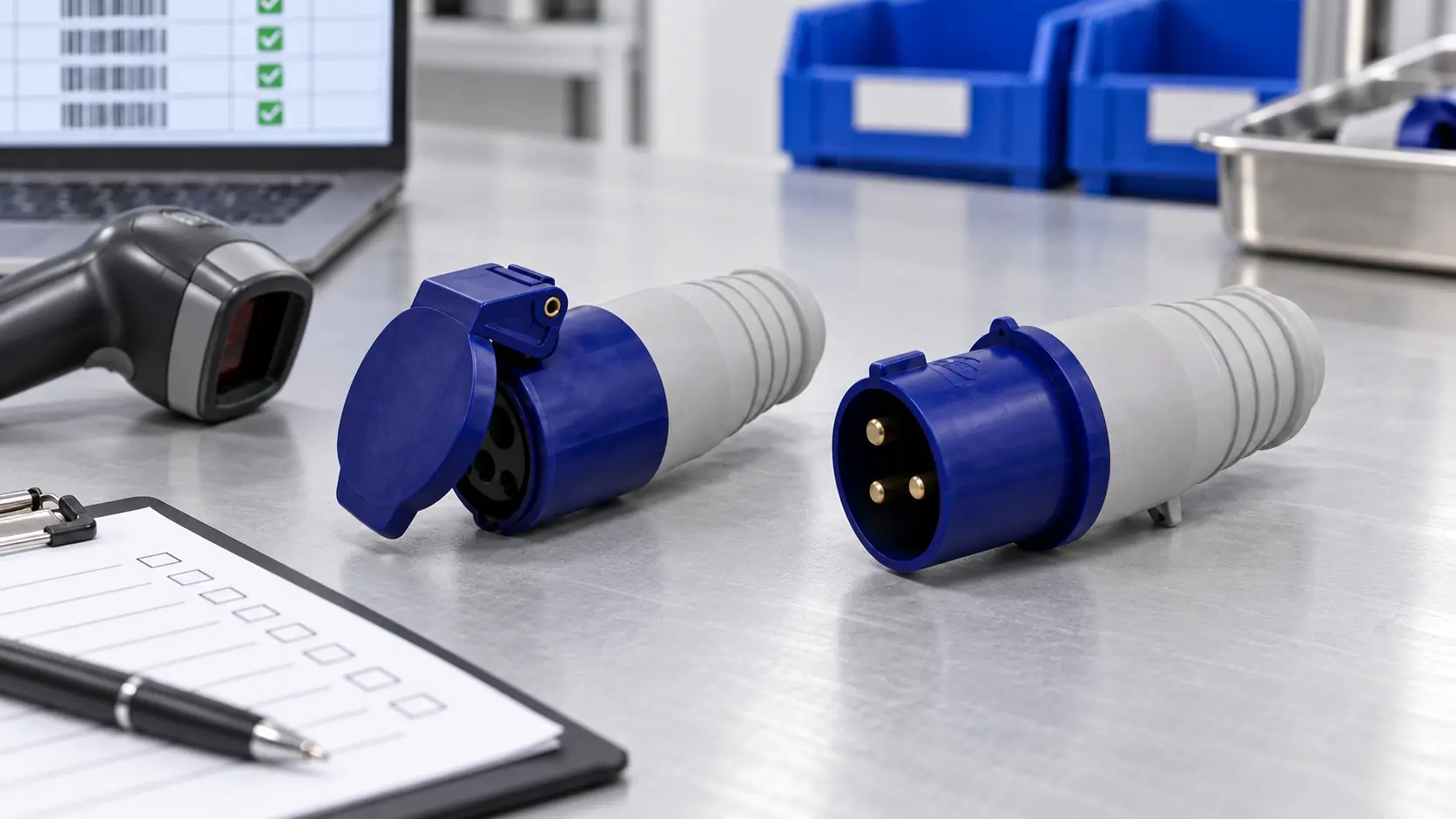
Which Diall products are recalled?
The notice identifies two blue 16A products: a male site connector and a female surface socket. Both are electrical connectors intended for site or temporary-power applications. The recorded country of origin is China.
OPSS lists nine affected batches: 25W0803, 25W1203, 25W1603, 25W3601, 25W4001, 25W4801, 25W5301, 26W1101 and 26W2801. B&Q publishes a longer recall list using spaced batch-code formatting, so owners and trade customers should consult the retailer notice as well as the regulator page and compare the code printed on the actual product.
Product colour or shape alone is not enough to identify affected stock. Buyers should match the barcode, product description and batch code. Other visually similar industrial connectors are not automatically included in this recall.
Why reversed terminal markings create a serious hazard
The products have live and neutral connection markings in the wrong positions. An installer following those markings could terminate the conductors incorrectly. OPSS says this can create electric-shock, overheating and fire risks.
Terminal identification is a safety-critical part of a connector. Correct colours, letters and physical positions help the installer preserve polarity and verify the completed assembly. When markings are reversed, a visually tidy termination may still be electrically wrong.
The regulator states that the products do not meet the Electrical Equipment (Safety) Regulations 2016. The public notice does not provide laboratory readings or state that every Diall connector is affected, so the finding should remain limited to the named products and batches.
What owners should do
OPSS and B&Q tell owners of matching products to stop using them and disconnect them fully from the electricity supply. Turning a supply off at a wall switch is not considered sufficient; a plug-connected item must be unplugged. Permanently wired equipment should be isolated at the consumer unit.
Owners should not open an installed connector merely to inspect terminal positions. Electrical isolation and any work on fixed wiring should be handled by a competent person. Matching products can be returned to a B&Q store for a refund in accordance with the recall notice.
B&Q gives customer-service telephone numbers and a recall webpage for further checks. Businesses should quarantine matching stock and record where units have already been supplied or installed.
Checks for distributors, contractors and procurement teams
- Match all identifiers: verify product type, barcode and batch code against both official notices.
- Quarantine affected stock: prevent recalled units from being sold, issued to sites or returned to general inventory.
- Trace past supply: use invoices, delivery records and project logs to identify customers and installations.
- Preserve evidence: retain photographs of labels, packaging and batch codes before returning products.
- Check paired components: review both male connectors and female surface sockets rather than assuming only one side is affected.
- Control substitutions: make sure replacement products have verified terminal identification and appropriate documentation.
- Brief site teams: communicate that switching off locally does not replace full disconnection or circuit isolation.
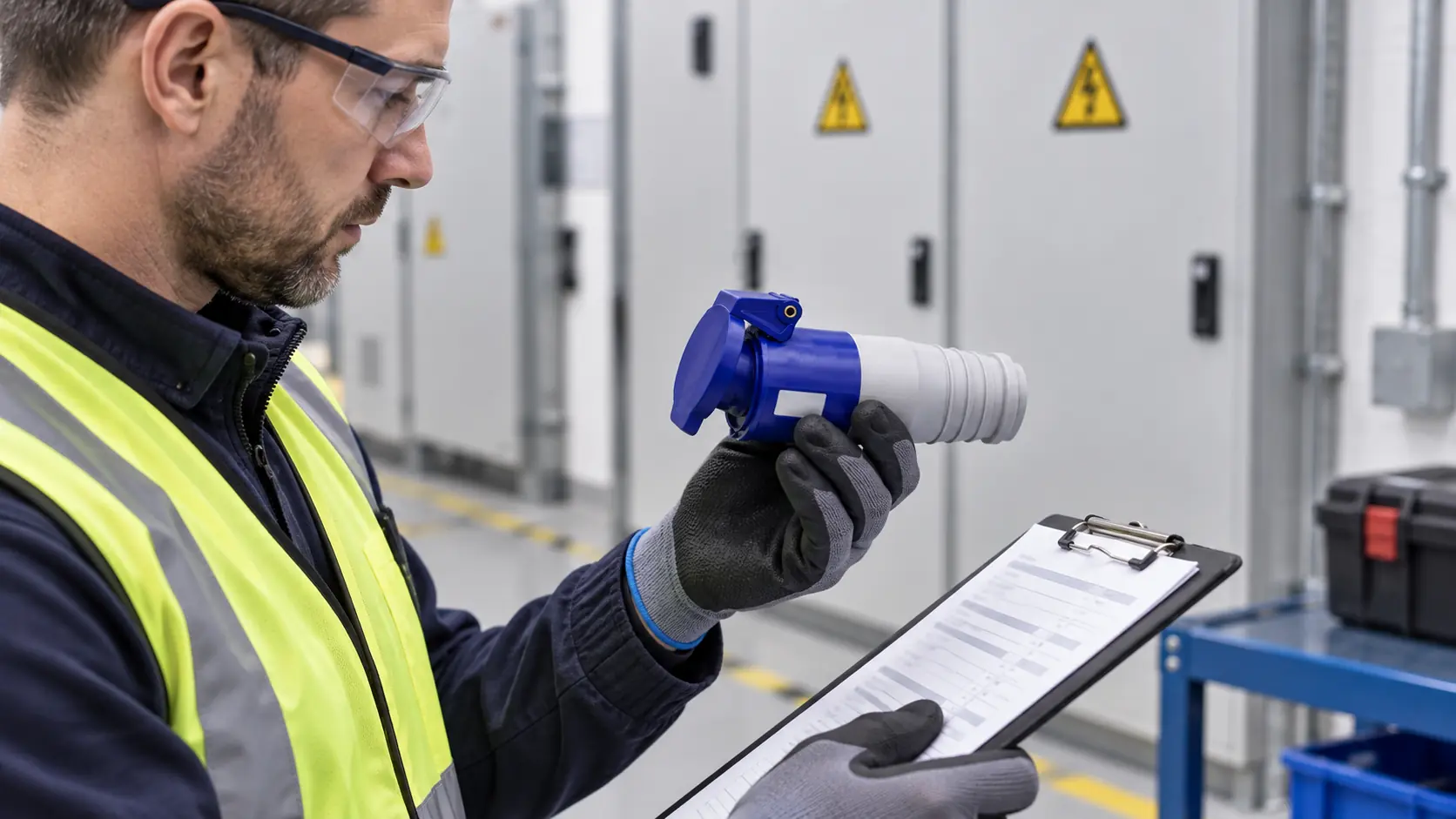
Lessons for connector quality control
This recall shows why incoming inspection should cover safety markings as well as dimensions, colour and mechanical fit. A connector can appear correct externally while its terminal identification creates a wiring error.
For private-label and imported wiring accessories, procurement files should link the exact model and batch to approved drawings, marking artwork, inspection records and electrical test evidence. Changes to mould tools, terminal inserts or assembly instructions should trigger renewed verification before shipment.
Sample checks should confirm that live, neutral and protective-earth markings agree with the actual internal terminal arrangement. Any discrepancy requires a controlled hold and engineering review, not an assumption that installers will notice and compensate for it.
Takeaway
The Diall recall is batch-specific, but its lesson is broad: terminal markings are part of the electrical safety system. Distributors and contractors should identify affected stock precisely, isolate installed units safely, maintain traceability and verify replacement connectors before they return to service.