The UK Office for Product Safety and Standards published a recall on June 25, 2026 for specific batches of Honeywell Lighting Controls Connect UltraLite connection centres. The authority said incorrect adhesion could expose a 230V wire and create an electric-shock risk for installers or maintenance professionals.
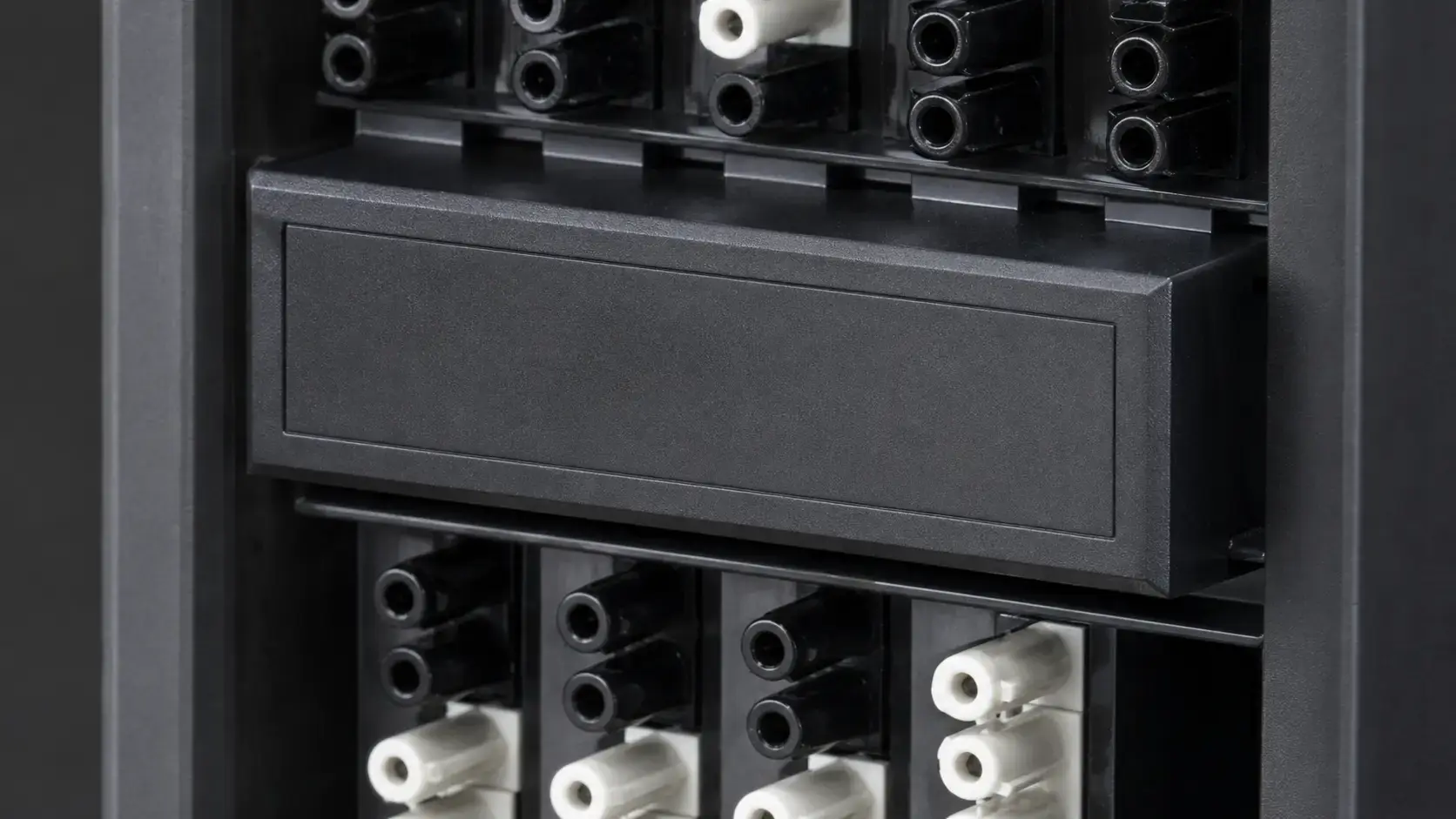
What the UK Recall Covers
The notice names models CDW4U1UL and CDW6U1UL and identifies the affected batch as products with a PCB dated week 28 of 2025, with the code stating July 2025. The products were made in the United Kingdom and are used to connect presence detectors and luminaires through standard connectors.
OPSS classified the risk level as low, but recorded a recall from end users. Honeywell Lighting Controls contacted customers with affected batches and instructed them to return the products for a free replacement.
This is a batch-specific recall. It does not establish that every Connect UltraLite unit, every Honeywell lighting-control product or every connection centre using a similar layout has the same defect.
Why a Blanking-Panel Bond Can Become an Electrical Risk
According to the recall notice, the issue involves incorrect adhesion of the blanking panel to the basket. If that joint does not remain secure, a 230V wire may become exposed. The resulting hazard is therefore linked to enclosure integrity rather than to a reported software or control-function problem.
For buyers and contract manufacturers, this is a useful reminder that a low-voltage assembly can pass a visual check when closed while still carrying a process-control weakness. Adhesive selection, surface preparation, application amount, cure conditions and retention verification all need defined acceptance criteria where a bonded part protects access to live conductors.
Five Checks for Lighting-Control Buyers
- Record the exact model and batch code. Purchase orders, incoming records and installed-product lists should distinguish CDW4U1UL and CDW6U1UL from other variants.
- Trace date codes beyond the outer carton. Confirm where the PCB or production date appears and retain a readable record before products move to site.
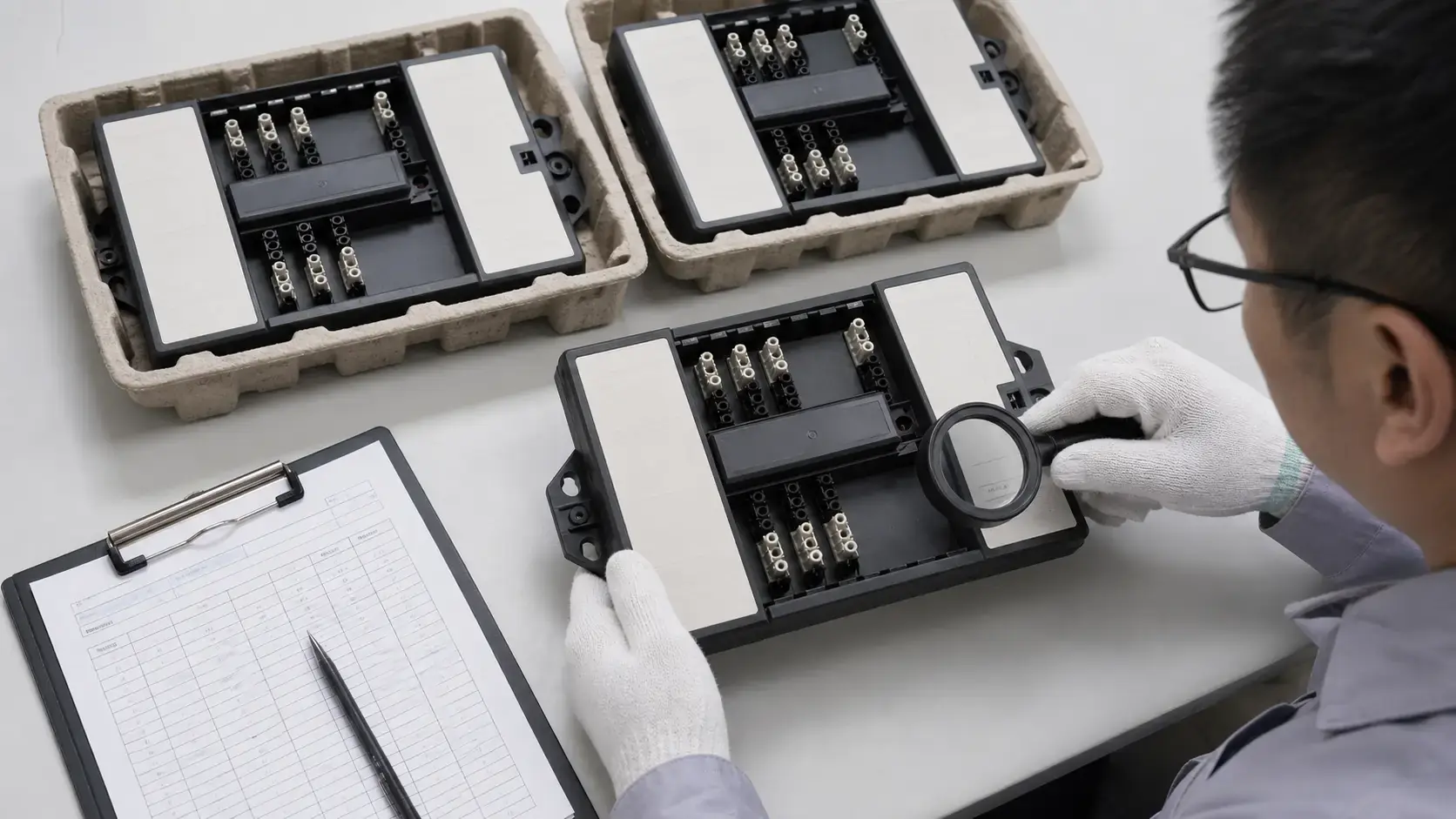
- Define the bonded-joint inspection. Specify how adhesion is verified without damaging the finished assembly, including sampling level and rejection rules.
- Control process changes. Adhesive supplier, dispensing equipment, curing time, surface treatment and plastic material changes should trigger documented review.
- Keep an installed-base contact path. A batch-specific replacement is easier when distributor, project and installer records can identify where each shipment went.
What to Put in the Next RFQ or Quality Plan
Ask suppliers to identify every component that prevents access to live parts and state how each component is retained. If adhesive is part of that protection, request the approved material specification, application method, cure controls and the inspection record tied to each production lot.
Add a traceability field for PCB date, finished-product batch and carton code. The three records should be linkable. A generic production date on the master carton is not enough if units are split across projects or repacked by a distributor.
For private-label or OEM projects, agree in advance who decides whether a process deviation requires containment, reinspection or notification. That decision path should exist before products enter the installation channel.
What the Notice Does Not Say
The OPSS page does not report electric-shock incidents, a failure rate or the number of affected units. It does not say that the connectors, presence-detector functions or luminaire-control logic failed. Buyers should keep their conclusions within the published facts and use the recall as a focused prompt to review batch traceability and enclosure-retention controls.
Takeaway
The Connect UltraLite recall shows how a small assembly-process detail can affect protection against access to mains voltage. For lighting-control buyers, the practical response is clear: trace the exact batch, verify bonded protective parts and maintain records that connect production lots to installed locations.