The UK Office for Product Safety and Standards published a product safety report on September 28, 2026, covering affected Tesla Powerwall 2 home battery systems. Certain third-party battery cells may develop internal defects over time, creating a risk of overheating and fire.
Tesla has initiated a replacement programme for affected units. The report says most identified systems have already been remotely discharged while they await replacement, with Tesla technicians handling the discharge of remaining affected units.
What product is covered?
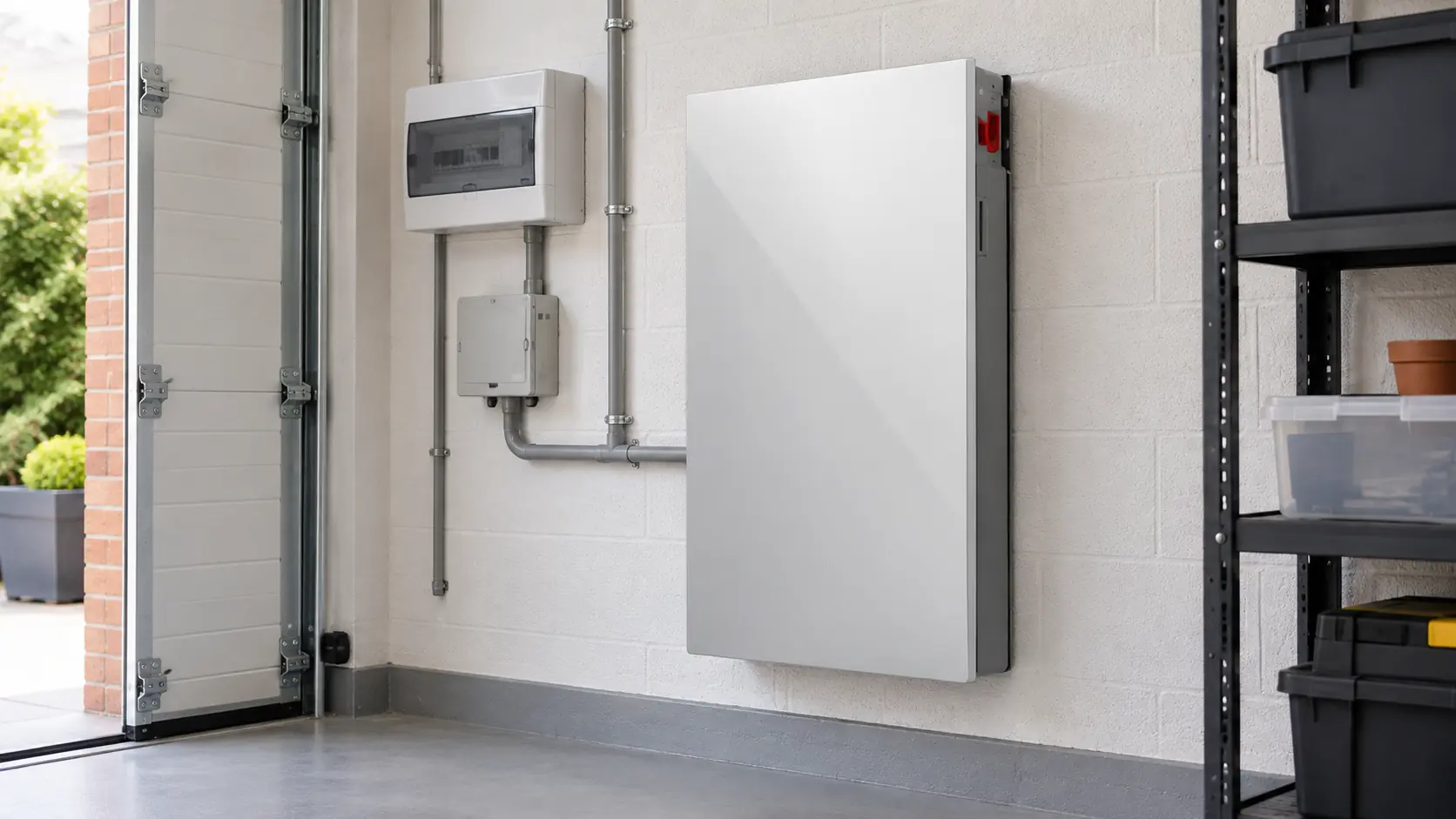
The report identifies the product as Powerwall 2, an AC battery system intended for residential or light-commercial use and manufactured in the United States. It does not state that every Powerwall 2 is affected.
OPSS does not publish affected serial-number ranges, production dates or unit quantities on the public page. Owners therefore cannot determine inclusion reliably from product appearance, installation date or model name alone.
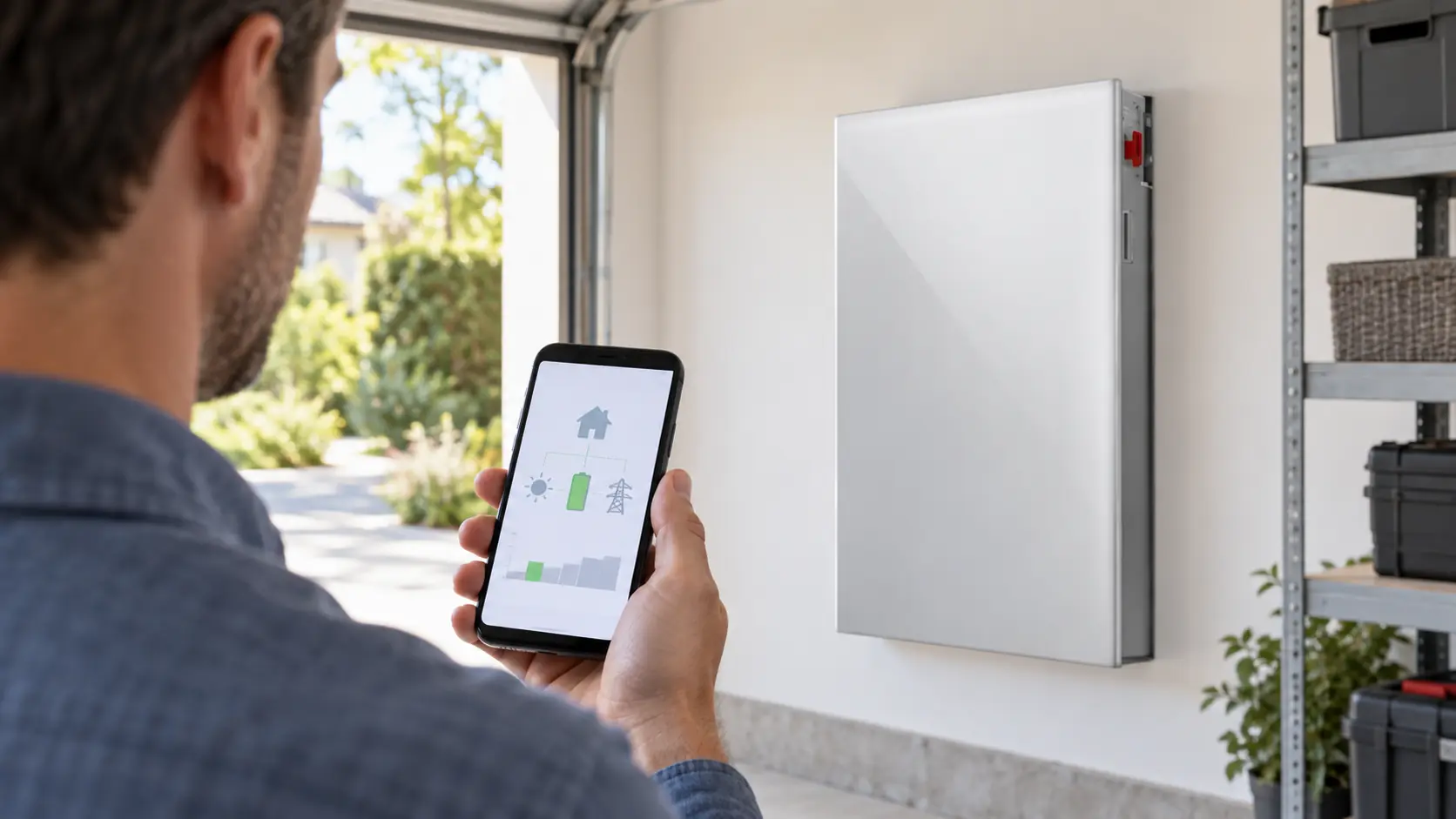
The official identification route is digital: customers should keep their Powerwall 2 online and check the Tesla app for a notification confirming whether their system is affected.
How the battery-cell defect can create a fire risk
According to the OPSS investigation summary, some battery cells manufactured by a third party may contain excessive lithium plating. Over time, that condition can contribute to cracking of the cell casing.
A damaged cell casing can lead to an internal short circuit. If the resulting heat is not contained, the cell may enter thermal runaway—a self-heating process that can spread heat and increase the risk of the battery system overheating or catching fire.
The report states that the affected product does not meet the Electrical Equipment (Safety) Regulations 2016. It does not publish laboratory readings, failure rates or incident numbers, so those details should not be inferred.
Why keeping the Powerwall online matters
Connectivity allows Tesla to identify and communicate with installed systems through its monitoring infrastructure. OPSS specifically instructs customers to ensure their Powerwall 2 remains online and to check the Tesla app for an affected-unit notification.
Remote discharge is a risk-control measure pending physical replacement. A discharged system should not be treated as repaired, and owners should not attempt to restore normal service or alter operating settings against the instructions shown in their account.
If a system is offline, has lost communications or is no longer visible in the app, the owner should contact the original Tesla Certified Installer or Tesla Support rather than opening the enclosure or trying to diagnose battery modules.
What affected customers should do
- Keep the system connected: maintain its network connection so status information and official notifications can be received.
- Check the Tesla app: use the notification associated with the registered system as the primary indication of whether replacement is required.
- Contact the original installer: affected customers should ask their Tesla Certified Installer to arrange the replacement installation.
- Use Tesla Support if necessary: if the original installer is unavailable, contact Tesla’s UK energy support channel.
- Do not open or move the battery: Powerwall service and discharge work should be performed through the authorised programme.
- Follow site-specific instructions: do not assume that advice given to another owner applies to a different registered system.
- Preserve access: ensure installers can safely reach the Powerwall and associated gateway when an appointment is arranged.
How the replacement programme works
Affected Powerwall 2 units will be replaced free of charge. OPSS directs customers first to their original Tesla Certified Installer, which helps connect the replacement work with the existing site design and installation records.
The public report does not specify replacement lead times, whether every replacement uses the same hardware revision or how temporarily discharged systems affect backup-power availability. Customers should confirm those points for their own installation.
If the original installer cannot assist, the report gives Tesla Support’s UK telephone number and links to the Powerwall 2 Replacement Program. Owners should use the current instructions in the Tesla app or official support channel because programme details may change.
Checks for installers and property managers
Installers should retain the site address, registered account, system serial data and commissioning records needed to match an installed battery with Tesla’s affected-unit list. Property managers should identify who controls the Tesla account and network connection before arranging access.
Any loss of storage or backup service during discharge and replacement should be documented. Critical loads may need temporary continuity planning, but alternative wiring or temporary battery work must not be improvised around an affected system.
Replacement completion should be recorded alongside the new equipment identifiers, commissioning result and app status. These records are particularly important where the property, installer or account holder has changed since the original installation.
What the report does not say
The notice does not label every Powerwall 2 unsafe, provide a visual inspection method or publish a universal shutdown instruction. It also does not tell owners to disconnect conductors, remove covers or transport the battery themselves.
The risk description is specific to certain third-party cells in affected units. Similar home batteries, later Powerwall models and unaffected Powerwall 2 systems are not automatically included simply because they share an installation environment.
This distinction matters: broad claims can cause unnecessary shutdowns, while relying on appearance alone can miss a system identified through Tesla’s records. The registered app notification and authorised support process remain the decisive checks.
Takeaway
The UK Powerwall 2 safety report is a targeted replacement programme driven by a potential internal battery-cell defect. Owners should keep systems online, check the Tesla app and use the certified-installer or Tesla support route. They should not attempt internal inspection, manual discharge or battery removal.