The UK Office for Product Safety and Standards published a product safety report on September 2, 2026, covering certain Wallbox Pulsar Max electric vehicle charging points. The report assigns a low fire-risk level and identifies a manufacturing defect affecting the internal output terminal block.
This is a modification programme, not a general product recall. According to the report, Wallbox SLU and Wallbox UK Limited have contacted owners of affected products. The stated response combines a software update with inspection, followed by repairs or replacement parts where necessary.
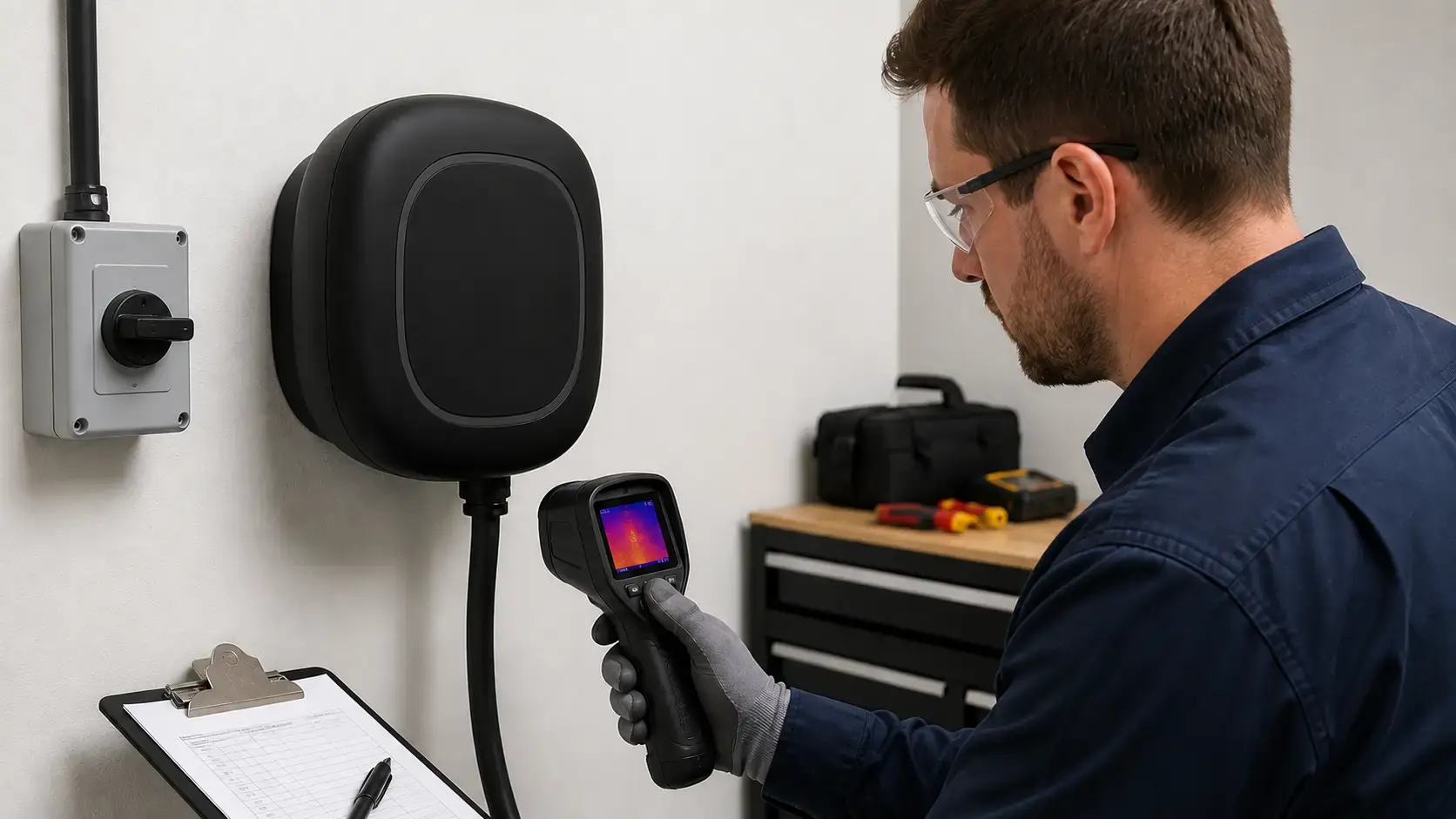
Which product is covered?
The OPSS report identifies the Wallbox Pulsar Max model pattern as PLP2-0-2-2-F-xxx. It also lists units mounted with part number 08 911 02* EV-gun. The product is described as a Spanish-made, wall-mounted Mode 3 EV charging station with PEN fault detection.
Those identifiers matter. “Pulsar Max” is a broader product-family name, while the safety report gives a particular model pattern and an additional mounted-part reference. Distributors, installers and property managers should avoid treating every unit with the same family name as automatically affected. Match the identification on the installed charger against the official notice or obtain confirmation from Wallbox support.
The public report does not provide a serial-number range. It also does not say that all regional variants are included. Where the label or order record is unclear, buyers should use the exact product code, installation record and supplier invoice when requesting confirmation.
What is the reported defect?
OPSS states that a manufacturing defect affects the internal output terminal block. The defect may allow internal electrical connections to overheat during use. The authority says this creates a low risk of fire and may reduce the charger's service life.
The notice does not publish a root-cause analysis, affected production dates or terminal-torque values. It would therefore be wrong to turn the report into a generic installation diagnosis. An overheated connection can have several possible causes in electrical equipment, but this specific programme should be handled using the manufacturer's instructions for the identified units.
Owners should not open the charger or attempt an internal repair. EV charging equipment should be inspected and serviced only through the process specified by the manufacturer and by a competent person where electrical work is required.
Why a software update is only one part of the response
The corrective action has multiple steps. OPSS says a software update will be issued and affected chargers will be inspected, with repairs or replacement parts supplied where necessary. The notice does not state that software alone physically corrects the terminal-block defect.
For asset owners, that distinction is important. A charger showing a current software version should not automatically be marked “campaign complete” unless the required inspection and any resulting hardware action have also been closed. Maintenance records should show which steps applied to the individual charger and when they were completed.
Checks for distributors, installers and fleet operators
- Identify the exact unit: record the model code, product label details and installed EV-gun part reference without guessing from appearance.
- Confirm campaign scope: obtain written confirmation from Wallbox or the authorised supply channel for uncertain units.
- Track every corrective step: separate software-update status, inspection status and any repair or part replacement.
- Keep the service trail: retain the service date, technician or service provider, work record and closure confirmation.
- Control unsold stock: check whether matching units in inventory require action before dispatch or commissioning.
- Escalate warning signs: follow manufacturer support instructions if a charger shows abnormal heat, damage, odour or repeated faults; do not open it for an informal check.
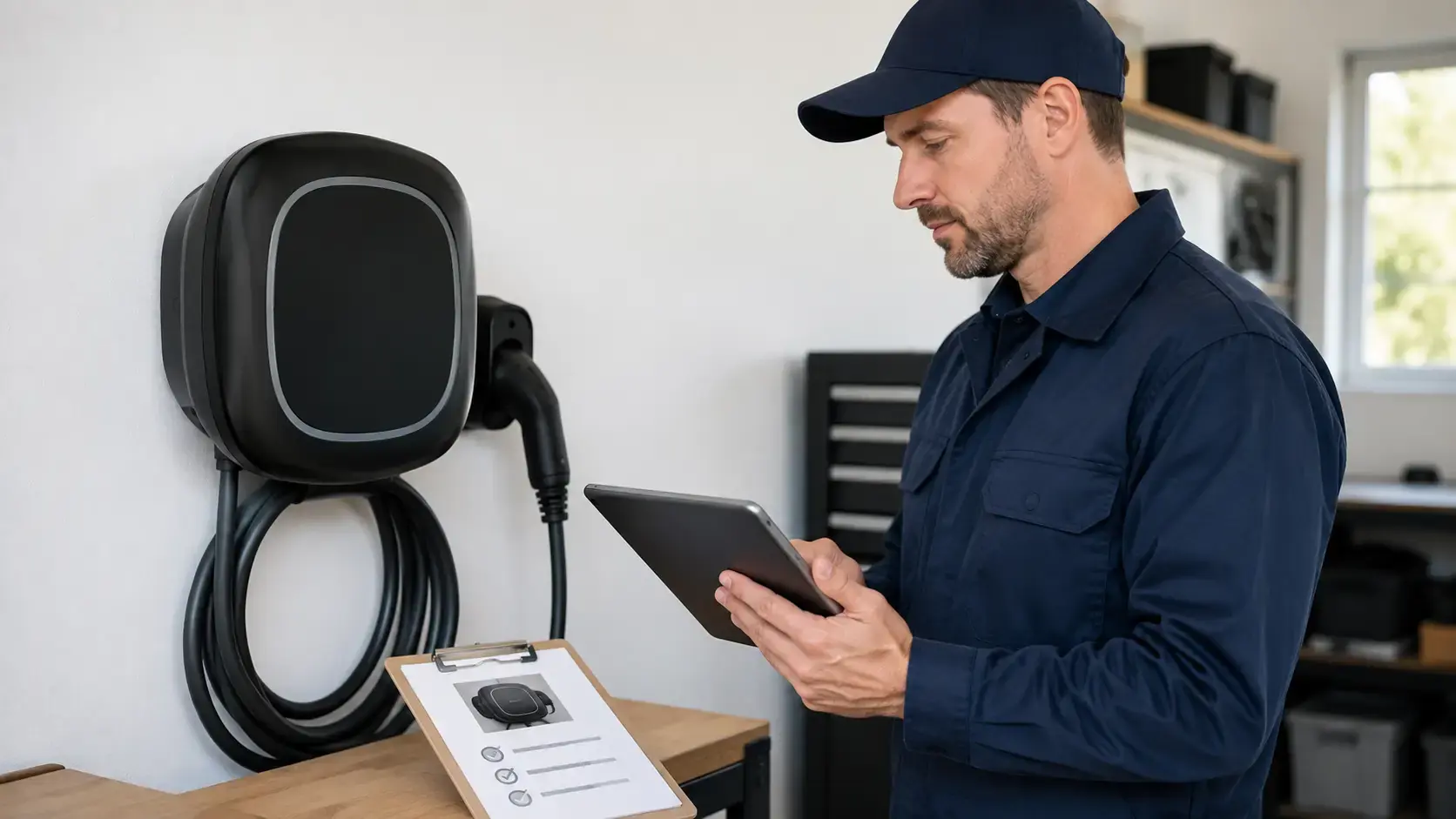
What procurement teams should request
For new orders, ask the supplier to identify the exact Pulsar Max hardware and product code being quoted. If the model falls within the notice's identification pattern, request confirmation of campaign status before delivery. For installed fleets, use an asset-level register rather than a single statement covering an entire site.
A useful closure pack should connect the charger identity to the work performed. It may include the manufacturer's scope confirmation, software-update record, inspection outcome and documentation for any replacement component. This is more reliable than accepting a screenshot showing only that the charger is online or updated.
The Wallbox product overview and UK datasheet remain useful for normal product documentation, but they do not replace the specific corrective-action record required for an affected unit.
Takeaway
The September 2 notice is narrowly framed: a low fire risk, a defined Pulsar Max model pattern, an internal output-terminal-block defect and a modification programme. The operational lesson is equally specific. Verify the unit first, then track software, inspection and hardware action as separate items until the manufacturer or service channel confirms closure.