Manufacturer’s Guide to Preventing Common Switch & Socket Problems
Most switch and socket failures are not random accidents, but predictable outcomes of specific design, material, and structural decisions. This article explains common issues such as overheating, mechanical failure, and installation difficulties from a manufacturer’s engineering perspective, helping project developers and wholesalers reduce long-term risk and maintenance cost.
A Manufacturer’s Guide to Preventing Common Switch & Socket Problems
From a manufacturer’s perspective, most switch and socket failures are not random accidents. They are predictable outcomes of specific design decisions, material choices, and cost compromises made early in the supply chain. Understanding these root causes is far more effective than troubleshooting problems after installation. This guide looks at several common issues from an engineering standpoint and explains how proper structure, materials, and testing can significantly improve long-term reliability in real-world projects.
Issue 1: The Critical Question – Why Do Sockets Overheat?
An overheating socket is one of the most serious electrical hazards. In almost all cases, the underlying cause is excessive electrical resistance, which generates heat under load. This resistance typically comes from areas where low-quality products reduce cost:
- Poor contact force: In low-quality sockets, the internal contact parts that grip plug pins are made from inferior metals. These contacts lose elasticity quickly, resulting in loose connections, micro-arcing, and heat buildup.
- Inferior contact materials: Some switches use polished red copper or brass instead of proper silver contacts. These materials have higher resistance and oxidize more easily, leading to overheating, unstable performance, and shortened lifespan.
- Inadequate terminals: Poorly designed screw terminals may loosen over time due to thermal expansion and vibration, creating additional resistance points.
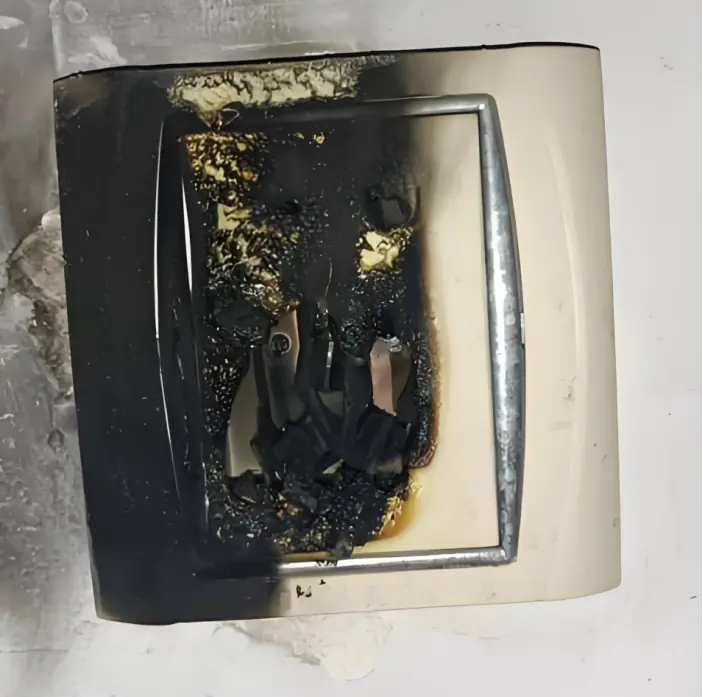
Manufacturer’s perspective: To reduce overheating risk, socket design must ensure stable contact pressure and low-resistance current paths over the entire service life. High-elasticity phosphor bronze contacts and corrosion-resistant terminals are critical to maintaining long-term electrical stability.
Issue 2: The Power Outage Puzzle – Why Does a Switch or Socket Suddenly Stop Working?
When a circuit breaker is functioning normally but an outlet or switch stops working, the problem often lies inside the device itself. This is especially common in high-usage environments such as hotels, offices, and commercial buildings.
- Switch mechanism failure: Low-quality rocker and spring mechanisms may fail after only a few thousand operations.
- Loose internal wiring: Poor internal structure can allow connections to loosen under repeated use.
- Terminal wire damage: Weak terminal designs can damage conductors when screws are overtightened during installation.
- Improper wire stripping: In real installations, conductors are sometimes inserted with residual insulation still attached. When insulation is twisted together with copper strands, contact becomes unstable, resistance increases, and intermittent failures or overheating may occur under load.
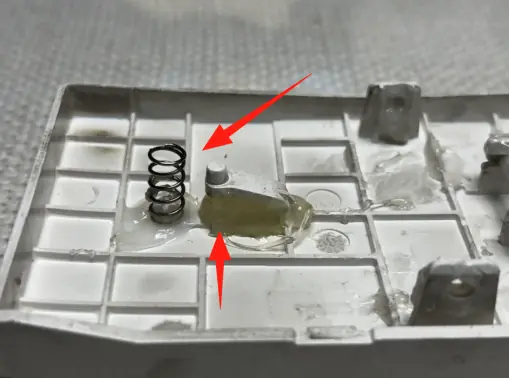
Manufacturer’s perspective: Durability depends on both mechanical strength and internal layout. Heavy-duty switch mechanisms tested for tens of thousands of cycles, combined with well-designed wiring space and secure terminals,
help ensure consistent performance throughout the product’s service life.
Issue 3: The Installer’s Challenge – Why Are Some Sockets Difficult to Install?
For electricians and project contractors, installation efficiency directly affects labor cost and overall project quality. Product design plays a significant role in how smoothly installation proceeds.
- Limited wiring space: Cramped internal layouts make it difficult to manage thick conductors or multi-gang boxes.
- Warping frames: Poor-quality steel or plastic frames may bend when mounted on uneven wall surfaces, leading to misalignment and poor finishing.
- Inconsistent dimensions: Loose manufacturing tolerances can cause faceplates to sit unevenly or fail to fit securely.
Manufacturer’s perspective: Installation-friendly design focuses on structural rigidity, sufficient wiring space, and logical assembly sequence. Two-stage constructions—where wiring and testing are completed before decorative parts are installed—help protect finished surfaces and reduce installation time on site.
Conclusion
Many common switch and socket problems are not random failures, but predictable outcomes of poor engineering and material choices. By understanding these root causes, project developers and wholesalers can make informed purchasing decisions.
Choosing a manufacturing partner like LIBAIK, who prioritizes quality components, intelligent design, and verifiable certifications, is the most effective way to prevent these issues from the start. Ensure the long-term safety, reliability, and reputation of your projects by building on a foundation of quality.