Choosing a wall switch series too late usually creates problems that only appear after installation. In many projects, switches are treated as a finishing detail, but in practice they affect installation speed, maintenance effort, replacement logic, daily user experience, and long-term defect risk.
This guide is for designers, contractors, developers, and wholesalers who need to choose the right wall switch series for residential and commercial projects based on application logic, not just appearance. The goal is not to identify one “best” switch. The goal is to match the right series to the real conditions of the project.
What matters most is not whether a switch looks good in one sample room. What matters is whether the full series stays coherent across design intent, installation conditions, usage frequency, budget control, and long-term reliability once the project scales up.
Contents
- Why Wall Switch Selection Should Be Treated as a Project Decision
- The Four Factors That Define a Wall Switch Series
- Series Comparison: Which Type of Wall Switch Series Fits Which Project?
- Residential vs Commercial Projects: Different Selection Priorities
- A Practical Decision Flow for Buyers and Project Teams
- Final Note
Why Wall Switch Selection Should Be Treated as a Project Decision
Wall switches are among the most frequently used electrical accessories in any built space. They are installed in large quantities, touched every day, and expected to operate for years without drawing attention. When the wrong series is chosen, the early warning signs are often invisible. The real costs appear later as installation friction, inconsistent finish quality, maintenance complaints, or premature replacement.
That is why selecting a switch series should not be reduced to one isolated design sample. It should be treated as a project-level decision that affects repeatability, site tolerance, labor efficiency, after-sales stability, and long-term suitability for the intended market.
Early Buyer Check
- define whether the project prioritizes visual minimalism, balanced practicality, tactile presence, or proven reliability
- confirm who will install, maintain, and replace the switches after handover
- separate showroom appeal from high-volume installation reality
- review whether wall quality, labor skill, and usage frequency match the chosen series logic
- treat unit price as only one part of the long-term cost picture
The Four Factors That Define a Wall Switch Series
Before comparing specific product families, it helps to step back and review the four factors that shape how a wall switch series performs in real projects.
Design Language
Some projects want the switch to disappear into the wall. Others need a more neutral and balanced presence. Some premium spaces want the switch to be seen and felt as part of the interior experience. The first decision is not technical. It is visual and architectural: what role should the switch play in the space?
A common mistake is choosing a design-led switch for a project that actually depends on repetition, consistency, and tolerance for imperfect site conditions. What looks attractive in one room may become visually tiring or operationally impractical when repeated across hundreds of units.
Structural and Engineering Stability
Structure matters most after the brochure has been put away. Panel strength, steel frame stability, contact materials, mechanical lifespan, and resistance to heat, humidity, and oxidation all influence whether a switch series remains reliable over time. Two switches may look similar on the wall but behave very differently after years of frequent use.
Application Context
A private home, a hotel corridor, a housing development, and a public building place different demands on electrical accessories. Usage frequency, maintenance responsibility, replacement convenience, and labor conditions all change the correct selection logic. Residential logic does not automatically transfer to project environments.
Budget Control and Long-Term Cost
Some projects can justify stronger design expression. Others need supply stability, lower failure rates, and predictable performance across high volumes. The correct choice is often not the cheapest unit price. It is the series that creates the lowest total cost over the life of the project.
Series Comparison: Which Type of Wall Switch Series Fits Which Project?
The most practical way to choose a series is to compare the underlying logic of each product family. In LIBAIK's current content cluster, four useful reference types already exist: minimalist ultra-thin, balanced modern, tactile premium, and proven high-volume series.
| Series Logic | Best Fit | Main Strength | Main Caution |
|---|---|---|---|
| Ultra-thin and borderless | Design-led homes, showcase spaces, refined apartments | Visual minimalism and architectural integration | Needs tighter installation quality and better wall conditions |
| Balanced modern | Residential developments, offices, hotels, mixed-use projects | Good balance of appearance, tolerance, and upkeep | Less visually dramatic than premium or ultra-minimal options |
| Tactile and premium | Luxury homes, boutique hotels, showcase interiors | Strong presence, material feel, perceived value | Can add cost without clear benefit in standard-volume projects |
| Proven and practical | Mass housing, public buildings, price-sensitive markets | Reliability, familiar installation, lower operational risk | Less design expression for projects led by aesthetics |
Ultra-Thin and Borderless: When Minimalism Leads the Project
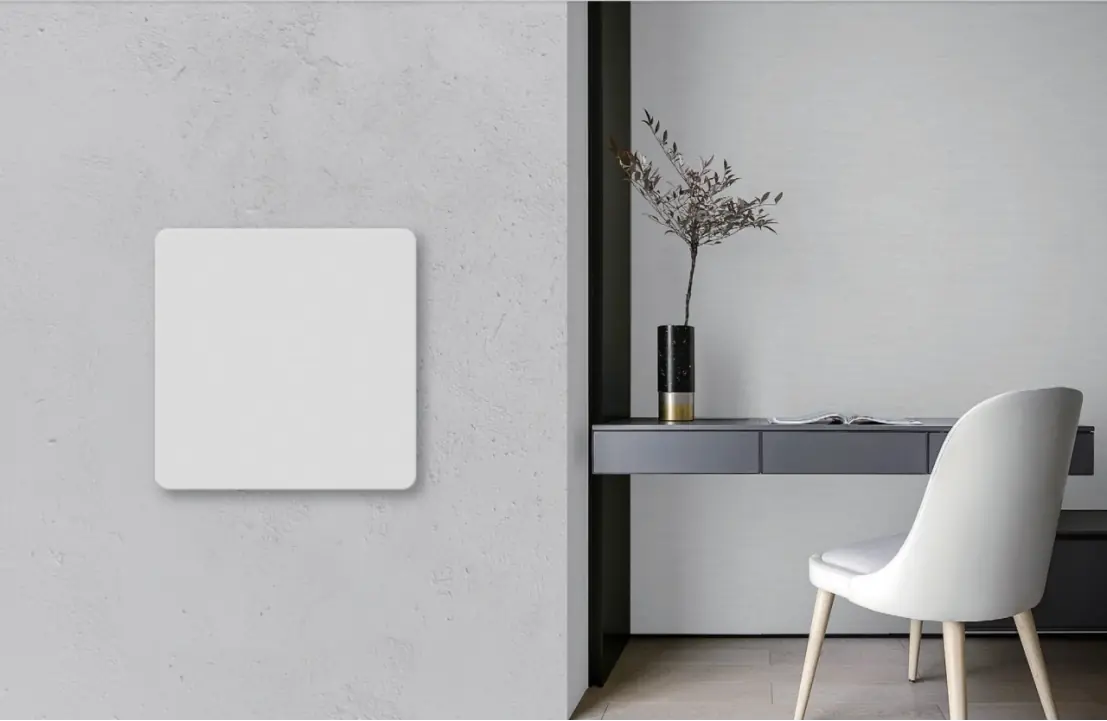
For projects where visual calm and surface continuity are the priority, the most relevant reference is the ultra-thin borderless wall switch V7 series. This type works best in design-controlled spaces where installation precision, wall flatness, and finishing quality can be managed properly. It is excellent for architectural minimalism, but it is not the most forgiving choice on every jobsite.
Balanced Modern: When Design and Practicality Both Matter
For many residential and commercial projects, the safest overall choice is a balanced modern series that avoids extreme design risk while still looking current. The modern European wall switch V6 series is the most natural reference here. This category usually offers better installation tolerance, easier cleaning, and stronger repeatability across apartments, offices, hotels, and mixed-use spaces.
Tactile Premium: When Presence and Feel Matter
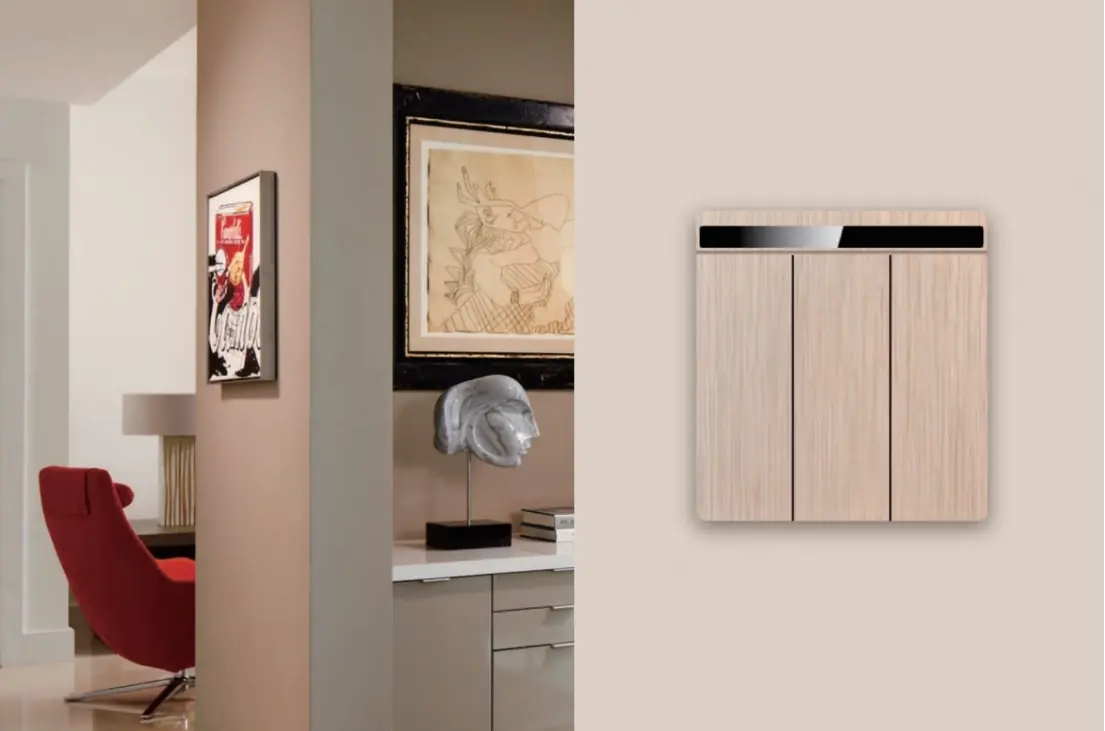
Some spaces should not hide the switch. In luxury homes, boutique hotels, and premium public spaces, touch quality and physical presence become part of the perceived standard of the project. That logic aligns with the luxury wall switch design V12 series. It adds value where users notice refinement, but it may be unnecessary in standard apartment or budget-controlled work.

Proven and Practical: When Reliability Matters More Than Design Expression
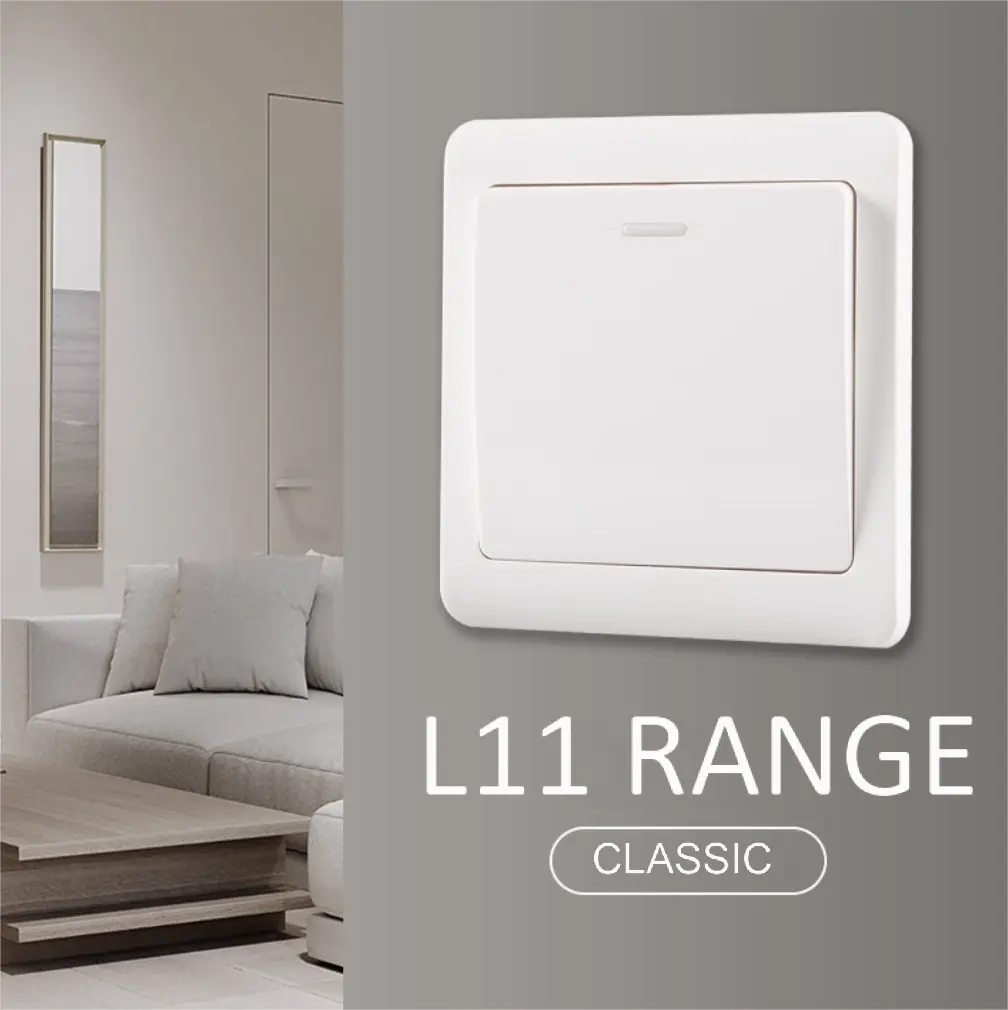
Large-volume housing, public buildings, and price-sensitive programs often benefit more from proven structures than from design novelty. In those cases, the right reference is a mature, stable platform such as the LIBAIK L11 series. This type is valuable because it is predictable: familiar dimensions, stable internal structure, easier replacement, and lower failure risk across large batches.
Residential vs Commercial Projects: Different Selection Priorities
Although residential and commercial switches may look similar on the wall, the selection logic is not the same. Residential projects often allow more room for personal taste and design preference. Commercial and project environments usually carry higher usage frequency, lower risk tolerance, and stronger pressure for consistency.
| Factor | Residential | Commercial / Project |
|---|---|---|
| Usage frequency | Usually medium | Often high |
| Maintenance model | Owner-managed or small-scale | Centralized and system-dependent |
| Design priority | Personal taste or room effect | Consistency and repeatability |
| Risk tolerance | Higher | Lower |
| Most common fit | Design-led or balanced | Balanced or proven |
A common mistake is using residential logic in high-use commercial environments because the product “looks good.” In real operation, weaknesses multiply faster in hotels, offices, public corridors, and larger developments than in private homes.
A Practical Decision Flow for Buyers and Project Teams
- Define whether the project is driven by visual effect, balanced usability, tactile presence, or proven long-term reliability.
- Review installation reality: wall quality, electrician familiarity, and tolerance for variation.
- Check the true usage pattern: private home, hotel, apartment block, office, or public building.
- Estimate long-term cost, not just unit price: maintenance, replacement, complaint risk, and supply stability all matter.
- Only then decide which series logic fits the project best.
If the next step is supplier screening rather than series comparison alone, our guide on how to choose a reliable electrical wall switch and socket manufacturer is the most natural follow-on page. If you need a broader manufacturing overview before discussing product families in detail, you can also review our page on electrical wall switch and socket manufacturing.
Final Note
Choosing the right wall switch series is not about chasing trends or trying to identify one universal “best” option. It is about matching the right series logic to the actual needs of the project, so the selection still makes sense long after installation day.
The best switch series is often the one that does its job quietly for years. For designers, contractors, developers, and wholesalers, that kind of quiet reliability is not a small detail. It is part of project responsibility.