Choosing an electrical wall switch and socket manufacturer is not a branding exercise. For importers, distributors, and OEM buyers, it is mainly a control question: who actually owns the product structure, the production system, and the accountability when orders repeat?
This page is designed as a factory capability overview. It explains what buyers should expect from a real wall switch and socket manufacturer before they move deeper into supplier screening, process review, or OEM project discussion.
Based on export quotation review, repeat-order follow-up, sample-to-bulk comparison, and OEM project support in wiring accessories, the main sourcing failures usually do not start with a beautiful sample. They start when the factory behind the sample cannot keep the same version logic, material control, and delivery discipline in later production.
Contents
- What This Page Actually Helps Buyers Judge
- What We Manufacture and Where the Boundary Is
- Manufacturer, Not Trading Company: Why That Distinction Matters Later
- How Buyers Should Read Factory Capability Beyond Brochures
- OEM and ODM: What Kind of Projects Fit This Factory Model
- Markets, Standards, and Why Clear Boundaries Build Trust
- How This Page Connects to Deeper Buyer Review
- FAQ About Electrical Wall Switch and Socket Manufacturers
What This Page Actually Helps Buyers Judge
Many manufacturer pages try to do too many jobs at once. They describe products, quality, OEM, certifications, and company story in one place, but still leave buyers unsure about the only question that matters: is this a factory that can support repeat business safely?
This page should therefore be read as a capability gateway, not as a full screening checklist. It helps buyers judge whether the factory is worth taking to the next level of review. If the answer is yes, the next stage is usually deeper process, standards, OEM, and supplier-control checking rather than more surface description.
| What buyers see first | What they should really judge |
|---|---|
| Product photos and model names | Whether the factory controls one repeatable product system |
| OEM and ODM claims | Whether customization boundaries are actually clear and manageable |
| Factory language about quality | Whether the production and inspection system is stable enough for later orders |
If your immediate question is broader supplier screening rather than factory capability alone, the cleaner commercial next step is our guide to an electrical switch and socket manufacturer in China.
What We Manufacture and Where the Boundary Is
We manufacture wall switches, wall sockets, and related wiring devices for permanent installation in residential, commercial, and project environments. That includes standard socket and switch ranges, modular combinations, and selected complementary categories such as power track systems.
For buyers, the important point is not the length of the product list. It is whether the factory stays disciplined about what belongs inside its core manufacturing system and what does not. A factory becomes harder to trust when it uses one broad capability claim to cover too many unrelated product directions without the same depth of control.
- wall switches for fixed installation
- wall sockets and outlet configurations
- modular combinations and project-oriented variants
- selected complementary power-distribution categories
That is also why this page does not try to replace the product center. The product center shows range. This page is about factory responsibility behind that range.
Manufacturer, Not Trading Company: Why That Distinction Matters Later
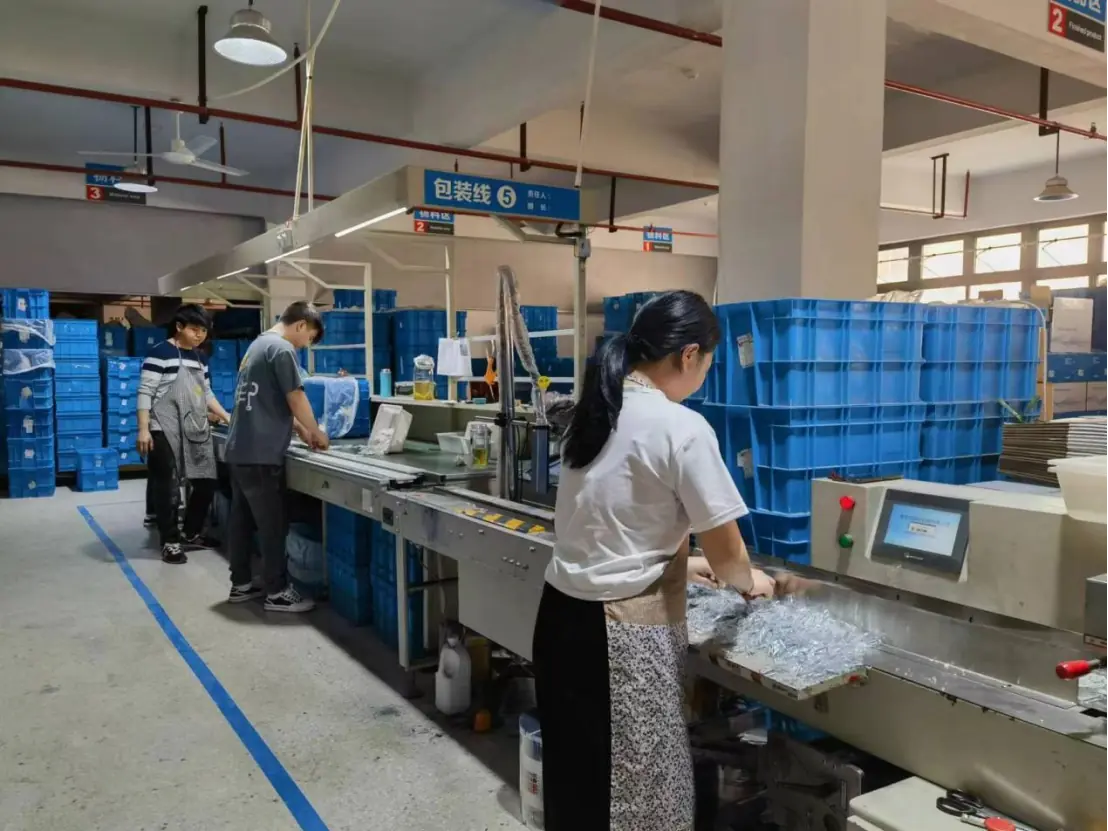
The difference between a factory-based manufacturer and a trading company often looks small at quotation stage. It becomes much more visible after the first order, when specifications need clarification, a quality issue appears, or the buyer wants to hold one party responsible for repeat consistency.
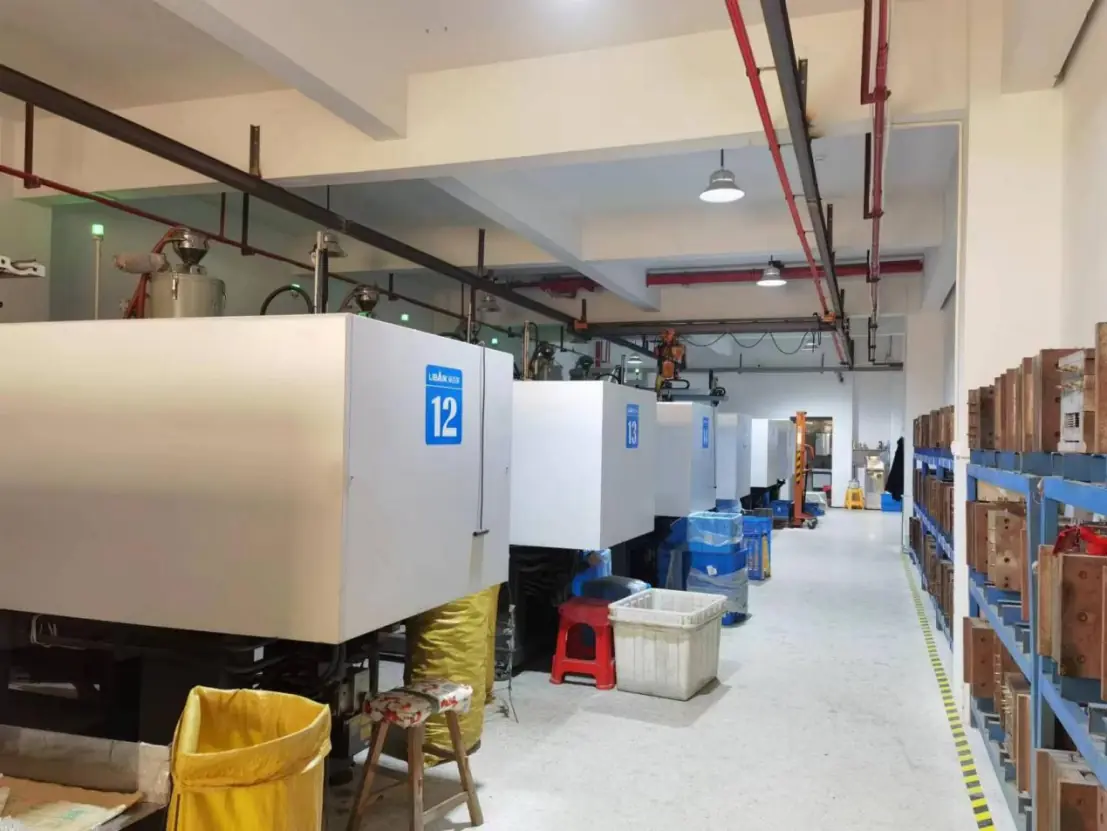
A real manufacturer should be able to explain how injection molding, component preparation, assembly, and inspection are controlled, and which parts of the product system are owned directly. That does not mean every single part must be made in-house. It means the factory cannot hide behind third parties when the product changes or problems appear.
If you want the structured screening version of that same question, our guide to how to choose a reliable electrical wall switch and socket manufacturer takes that buyer-side review further.

How Buyers Should Read Factory Capability Beyond Brochures
Capability is not proved by broad words such as advanced equipment, strict quality control, or rich export experience. Those phrases are easy to say. Buyers need to read capability through control points that can hold across later orders.
- Can the factory explain how product versions are locked before production?
- Can it keep material and structure stable between sample and bulk?
- Can it answer technical questions without switching to vague sales language?
- Can it handle OEM changes without losing control of the original platform?
If those answers are weak, the factory may still ship products, but it is harder to treat it as a dependable manufacturing partner. Buyers who want to see the process-control side in more detail should continue to our wall switch and socket manufacturing process and quality guide.
OEM and ODM: What Kind of Projects Fit This Factory Model
OEM and ODM are not just sales services. They are manufacturing commitments. A factory should only accept projects that fit its control logic, material availability, structural boundaries, and repeat-order capability. When customization goes beyond that boundary, the risk is not only delay. It is version drift, approval confusion, and weaker long-term reliability.
Useful OEM support usually includes branding, packaging, module combination, finish selection, and commercially sensible configuration adjustment. The higher the project moves into structural redesign or approval-sensitive changes, the more important it becomes to define what is still feasible and what should stay fixed.
For the deeper buyer framework behind that decision, see our OEM and ODM wall switch and socket manufacturing guide.
Markets, Standards, and Why Clear Boundaries Build Trust
One of the strongest trust signals a factory can give is a clear market boundary. Serious manufacturers do not promise every standard for every market with the same confidence. They explain which product families are built around which standards and where future development is still separate from current supply reality.
That kind of boundary-setting matters because it reduces approval risk later. A buyer can work with a narrower but clearer manufacturing scope much more safely than with a broad claim that becomes vague as soon as test files, marking logic, or market-specific requirements are discussed.
This is also where channel fit matters. If the buyer's main need is importer or distributor supply logic rather than pure factory capability, the better next step is our commercial wiring accessories supplier guide.
How This Page Connects to Deeper Buyer Review
This page should not be treated as the final decision page. It is the page that helps buyers decide whether the factory deserves deeper review.
| If your next question is... | Go next to... |
|---|---|
| How broad is this supplier's China manufacturing capability? | electrical switch and socket manufacturer in China |
| How should we screen reliability before cooperation? | reliable manufacturer screening guide |
| How is process and quality consistency actually controlled? | manufacturing process and quality control guide |
| How far can OEM or ODM customization go safely? | OEM and ODM standards and scope guide |
That is the cleanest SEO and buyer-side role for this page: not to repeat every technical topic, but to act as the capability overview that routes qualified readers to the right deeper evaluation page. If the immediate issue is not capability definition itself but where buyers usually make the wrong sourcing assumptions before problems surface, see our common sourcing mistakes guide for switch and socket buyers.
Review basis used in this page: export quotation review, sample-to-bulk comparison, OEM feasibility review, repeat-order follow-up, and buyer-side assessment of whether a factory controls product definition, production discipline, and communication boundaries clearly enough for long-term cooperation. This page supports buyer evaluation. It does not replace market-specific legal, certification, or customs advice.
FAQ About Electrical Wall Switch and Socket Manufacturers
What is the difference between a manufacturer and a trading company in this field?
The key difference is production ownership and accountability. A manufacturer should be able to explain how products are made, controlled, and repeated. A trader may still be useful commercially, but the control path is usually less direct.
Does a larger factory automatically mean a more reliable factory?
No. Size can help, but reliability comes more from version control, process discipline, communication clarity, and the ability to keep later orders aligned with approved samples.
What should buyers ask before starting an OEM project?
They should ask what parts of the product can be customized safely, what must remain fixed, how new versions are controlled, and how the factory keeps OEM changes from weakening later production consistency.
Why is clear market and standards positioning important?
Because unclear claims create approval and customer-risk problems later. A factory that states its real supply scope clearly is usually easier to work with than one that promises everything too early.
What is the best next step after reading this page?
The best next step depends on what you still need to confirm: broader China capability, supplier reliability, process quality, or OEM boundary control. This page is meant to point you to the right deeper review, not replace it.
Conclusion
An electrical wall switch and socket manufacturer should not be judged by slogans, display photos, or a fast quotation alone. The real question is whether the factory can hold product definition, process discipline, standards boundary, and OEM control together when business moves beyond the first order. Buyers who understand that distinction usually make much safer long-term sourcing decisions.