How to Choose a Reliable Electrical Wall Switch and Socket Manufacturer
This guide explains how professional buyers evaluate and choose a reliable electrical wall switch and socket manufacturer in practice. It covers manufacturer identification, manufacturing capability, quality control systems, materials, standards, OEM risks, and long-term reliability considerations beyond initial pricing.
How to Choose a Reliable Electrical Wall Switch and Socket Manufacturer
Choosing an electrical wall switch and socket manufacturer is rarely a short-term decision.
Once these products are installed inside walls, they are expected to operate safely and consistently for many years, often without visible access.
For buyers, the real risks usually do not appear in the first shipment. They appear months later—after installation, after market feedback, and after the supplier relationship has already been established. Even with a structured evaluation framework, buyers can still fall into avoidable traps. Some of the most common sourcing mistakes are discussed separately.
This guide explains how experienced buyers evaluate manufacturers in practice, beyond brochures, certificates, and initial pricing.
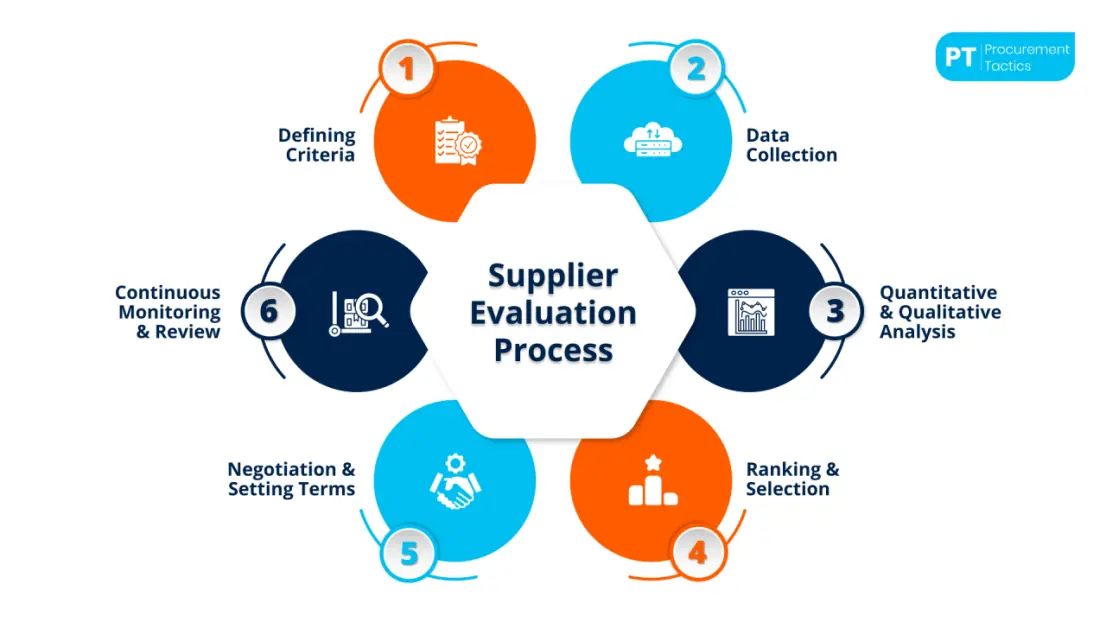
Why Choosing the Right Manufacturer Matters More Than Price
Wall switches and sockets are not fast-moving consumer products.
They are part of a building’s permanent electrical infrastructure.
When problems occur, the cost is rarely limited to product replacement. It often includes:
- Labor and reinstallation costs
- Project delays
- After-sales disputes
- Damage to distributor or contractor reputation
Lower pricing may reduce initial purchase cost, but it often increases long-term exposure if manufacturing control is weak. This is why experienced buyers tend to focus less on unit price and more on predictability and consistency.
Manufacturer or Trading Company: How to Tell the Difference
One of the first decisions buyers face is whether they are dealing with a real manufacturer or a trading company.
This distinction is not about company registration titles. It is about who controls production decisions.
A factory-based electrical wall switch and socket manufacturer typically:
- Has direct involvement in production processes
- Can explain how products are made, not just what they look like
- Takes responsibility for quality issues rather than passing them upstream
In contrast, trading companies often rely on external factories and may struggle to maintain consistency once specifications change or problems arise.
For buyers evaluating long-term cooperation, this difference usually becomes visible after the first few shipments—when real production questions start to matter.
Manufacturing Capability: What Really Matters
Manufacturing capability is not defined by how many machines appear in a factory tour.
It is defined by which parts of the process are actually controlled.
In wall switch and socket manufacturing, the most critical elements include:
- Control over key components and materials
- Stable internal structures rather than frequent redesigns
- The ability to repeat the same specification across multiple orders
Suppliers that frequently introduce new designs without long-term validation may appear innovative, but they often introduce instability. In wiring accessories, reliability is usually achieved through refinement, not constant change.
Quality Control Is a System, Not a Promise
Quality is rarely guaranteed by a single inspection or certificate.
Reliable manufacturers treat quality control as a multi-stage system, not a final checkpoint. This typically includes:
- Verification of incoming materials
- Inspection of externally sourced components
- In-process checks during assembly
- Final inspection before shipment
Problems in electrical products are often systemic rather than accidental. A structured quality system reduces the likelihood that small deviations become large-scale failures later.
Buyers evaluating suppliers should focus less on slogans and more on whether the manufacturer can clearly explain how quality is controlled throughout production.
Materials and Components: What Buyers Should Ask About
Material selection plays a central role in long-term performance.
Rather than asking for brand names or marketing descriptions, buyers benefit more from asking:
1. What housing materials are used, and why
2. How conductive components are selected for their function
3. How switching contacts are designed to manage electrical load over time
Vague answers such as “standard materials” or “export quality” often indicate limited technical ownership. Clear, functional explanations usually reflect deeper manufacturing involvement.
This section is not about memorizing material specifications. It is about understanding whether the supplier knows why certain materials are chosen.
Standards and Compliance: Avoiding Costly Assumptions
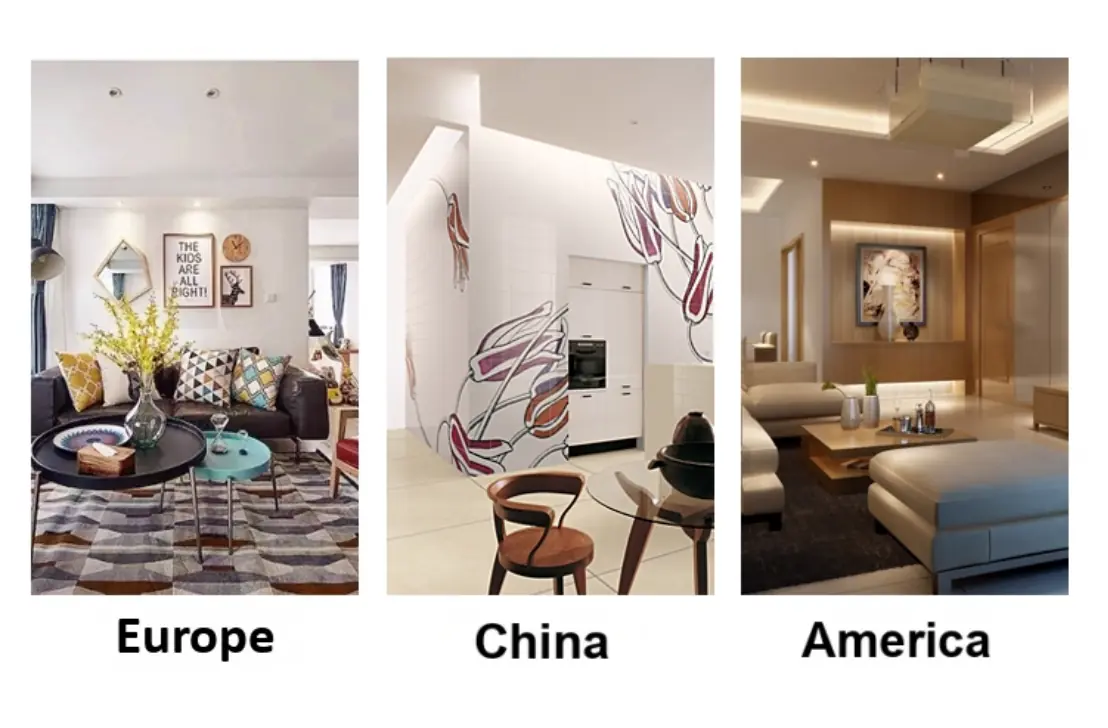
Standards are one of the most common sources of misunderstanding in international electrical trade.
Different markets operate under different regulatory frameworks, and not all certifications serve the same purpose. Buyers should be cautious of assumptions such as:
a. One certificate covering all markets
b. Compliance labels being interchangeable
c. Certifications replacing local installation requirements
CE conformity, for example, indicates alignment with certain European directives, but it does not automatically address every national requirement or application scenario.
Reliable manufacturers tend to explain what their products are designed for, and what they are not, rather than implying universal applicability.
OEM and Customization: Where Problems Often Begin
Customization generally works best when applied to:
- Appearance and finishing
- Module configuration
- Branding and packaging
Problems frequently arise when buyers push for changes that affect:
- Core internal structure
- Safety-critical dimensions
- Proven contact and terminal designs
In electrical products, excessive customization can increase certification complexity and reduce long-term reliability. Many experienced buyers prefer mature platforms with controlled customization, rather than fully new designs.
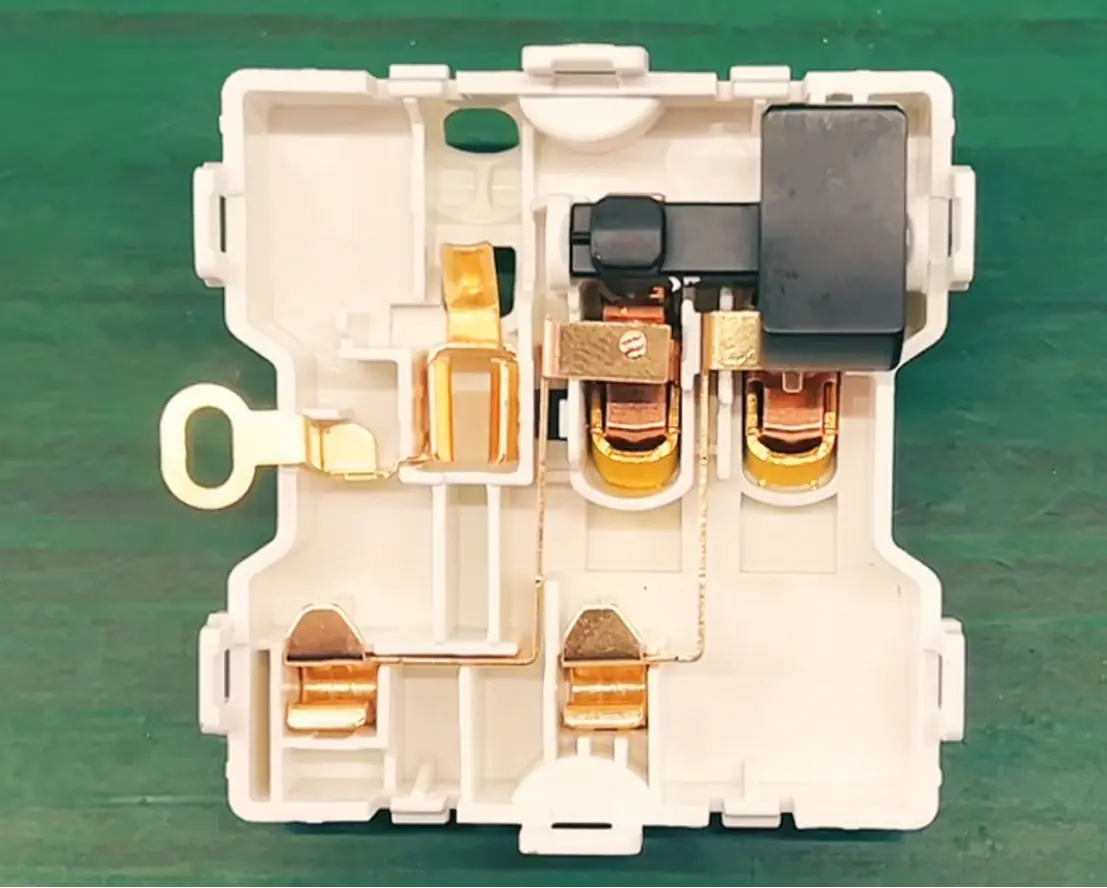
Evaluating Long-Term Reliability, Not the First Order
The first order rarely reveals the full picture.
Long-term reliability becomes visible through:
① Consistency across multiple shipments
② Willingness to discuss potential risks
③ How issues are handled when they arise
Suppliers who avoid difficult questions or promise that “everything is no problem” often create uncertainty later. In contrast, manufacturers who clearly explain limitations and trade-offs tend to be more predictable partners.
Reliability is less about perfection and more about how well variability is managed.
Practical Questions to Ask Before Making a Decision
Before finalizing cooperation, buyers often benefit from asking practical, scenario-based questions such as:
- How are specification changes handled after initial production?
- What happens if market feedback requires adjustment?
- How stable are key materials and components over time?
- Who takes responsibility if regulatory interpretations differ?
The value of these questions lies not in the answers themselves, but in how the supplier responds.
Final Thoughts: Choosing Stability Over Appearances
Choosing a wall switch and socket manufacturer is not about finding the most impressive presentation. It is about selecting a partner whose processes, boundaries, and communication style reduce uncertainty over time.
A reliable electrical wall switch and socket manufacturer may not promise everything.
But they usually deliver what they commit to—consistently.
For buyers managing long-term distribution or project supply, that predictability often matters more than initial price or appearance.