OEM & ODM Wall Switch and Socket Manufacturing: Standards and Markets Explained
This page explains OEM and ODM cooperation models for wall switch and socket manufacturing, outlines supported standards and compliance boundaries, and clarifies which global markets are served by different product categories.
OEM & ODM Wall Switch and Socket Manufacturing: Standards and Markets Explained
OEM and ODM cooperation in the wall switch and socket industry is often discussed in simple terms.
In reality, it involves technical responsibility, compliance boundaries, and long-term risk control. Many OEM-related issues arise not from intent, but from misunderstanding early-stage risks. Several common OEM sourcing mistakes are worth noting.
Many problems in OEM projects do not come from price or lead time. They come from unclear expectations—about what can be customized, which standards actually apply, and who carries responsibility once products enter a local market.
This page explains how OEM and ODM cooperation works in practice, from a factory perspective.
OEM vs ODM in Wall Switch and Socket Manufacturing
Although OEM and ODM are commonly used terms, their meaning changes depending on the product category.
OEM: Manufacturing Based on Customer-Defined Specifications
In OEM projects, the buyer typically defines:
- Target market and standard
- Electrical configuration and ratings
- Branding and packaging requirements
The manufacturer’s responsibility is to produce according to confirmed specifications, not to redesign the product concept.
OEM works best when:
- The buyer already understands local regulations
- Product structure is mature
- Long-term supply stability matters more than novelty
In electrical wiring devices, OEM projects usually favor proven structures rather than experimental designs.
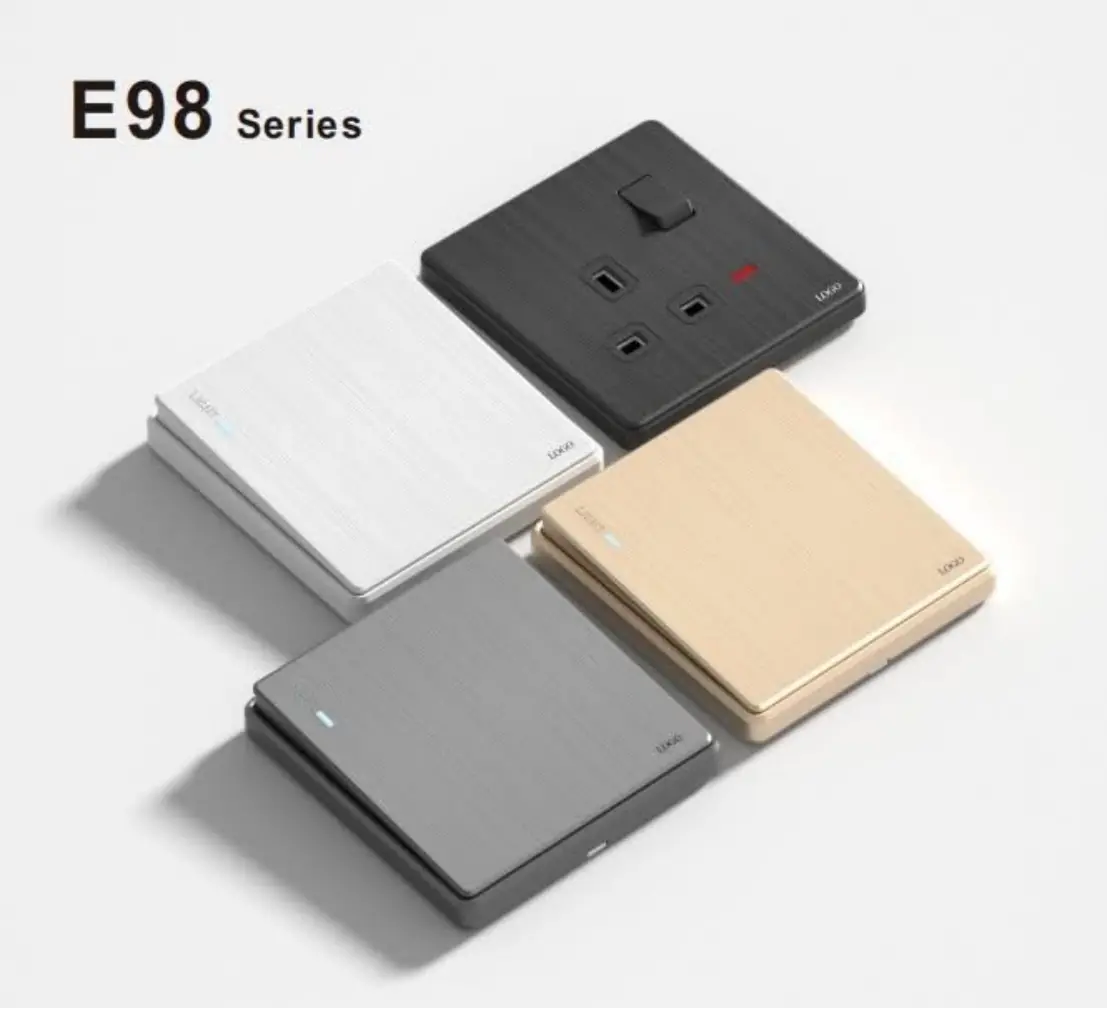
ODM: Using Factory-Proven Structures with Customization
ODM cooperation starts from existing, validated product platforms.
In this model:
- The factory provides a structurally mature product
- The buyer focuses on branding, positioning, and distribution
- Customization is applied within safe and tested limits
For many distributors and new brands, ODM is often the lower-risk option, especially when entering new markets or managing multiple SKUs.
Customization Scope and Practical Limits
Customization is possible, but it is not unlimited.
From a manufacturing perspective, successful customization follows a clear rule:
What affects safety and compliance should change slowly.
What affects appearance and configuration can change flexibly.

Common Customization Areas
Typically supported customization includes:
- Faceplate appearance and finish
- Module combinations and layout
- Branding (logos, markings)
- Packaging formats
These changes do not affect the core electrical structure and can be controlled without increasing failure risk.
What Should Not Be Over-Customized
Certain elements are intentionally kept stable:
- Core internal structure
- Terminal design and contact system
- Safety-critical dimensions
Excessive structural customization may look attractive on paper, but it often increases:
- Certification complexity
- Production instability
- Long-term quality risk
Experienced buyers usually prioritize consistency over uniqueness in wiring accessories.
Standards and Compliance: What We Support and What We Don’t
Clear communication about standards is essential in OEM cooperation.
Supported Standards
Our wall switches and sockets are primarily developed for BS standard markets, which are widely used in:
- Southeast Asia
- The Middle East
- Selected European countries
Products are manufactured with CE compliance as part of the conformity process.
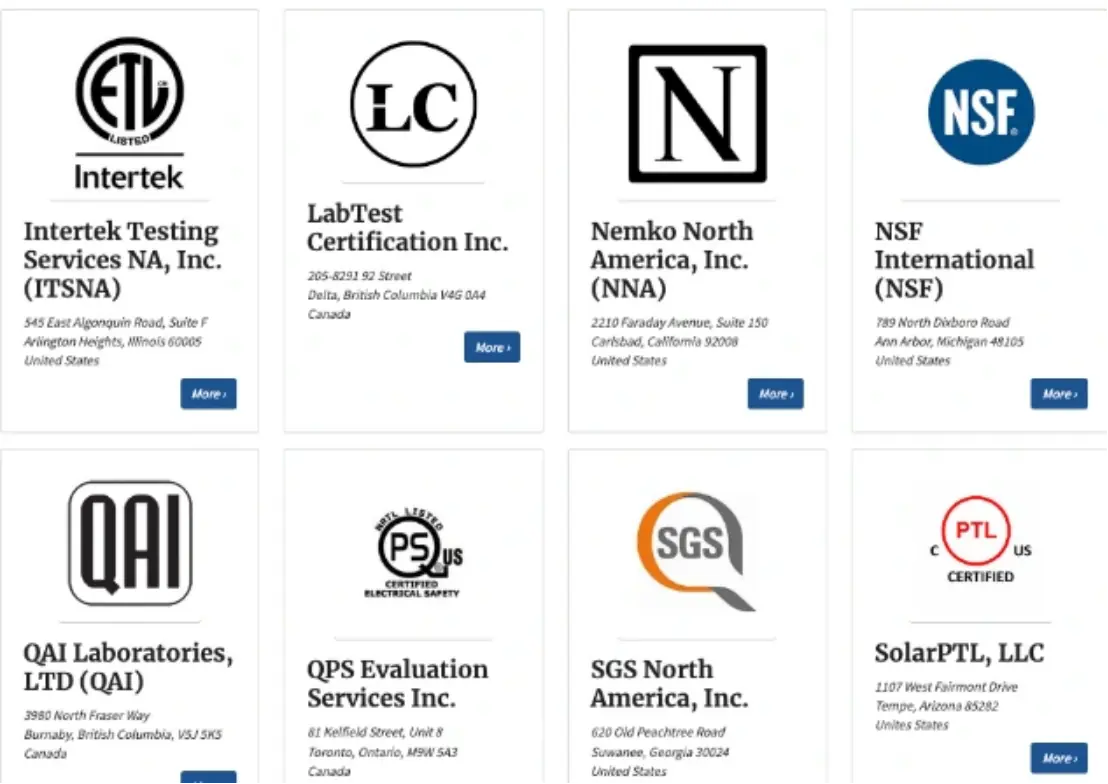
About EU Standards
EU country-specific standards are not currently part of our standard production scope.
They are treated as:
- A future development direction
- A project-based evaluation topic
- Not an assumed or implied capability
This distinction is important, as unclear standard claims are a common source of disputes in international trade.
Is CE Certification Enough? A Practical Explanation
CE certification is often misunderstood.
From a factory perspective:
- CE indicates conformity to certain EU directives
- CE does not automatically cover all national installation requirements
- CE does not replace local approvals where required
Many issues arise not from missing certificates, but from misinterpreting what CE actually represents.
For OEM buyers, the key is matching product standard, application environment, and local regulation, rather than relying on a single label.
For reference on international electrical frameworks, see:
https://www.iec.ch
Markets We Serve by Product Category
Market coverage is defined by product type, not by generic geography.
Wall Switches and Wall Sockets
- These products are supplied mainly to:
- BS standard markets
- Regions with similar wiring practices and requirements
This focus allows structural consistency and quality stability across shipments.
Power Track Systems
Power track systems are developed for global applications, with configurations available for multiple international standards.
The regulatory environment for power track systems differs from traditional wall wiring devices, which is why they are managed as a separate category.
How Buyers Should Evaluate OEM Suitability
Experienced buyers often evaluate OEM partners based on:
- Structural maturity of the product
- Transparency about standards and limitations
- Stability of materials and components
- Willingness to clarify risks instead of avoiding them
Starting an OEM or ODM Project
OEM and ODM projects usually start with a few practical questions:
- Target market and applicable standard
- Product category and application environment
- Customization scope and expected volumes
Clear answers at this stage help prevent rework, delays, and certification issues later.
Technical discussions are encouraged early, especially for projects involving new markets or configurations.
Closing Note
OEM and ODM cooperation in wall switch and socket manufacturing is not about offering unlimited options.
It is about controlling risk, maintaining compliance, and delivering consistency over time.
This page is intended to support informed decision-making—not assumptions.