Standard Electrical Outlet: Types, Standards and Manufacturing Guide
A standard electrical outlet is the final connection point between a building’s wiring system and electrical devices. However, outlet standards vary significantly around the world due to differences in voltage systems, safety regulations, and grounding methods. This guide explains what a standard electrical outlet is, the major outlet types used globally such as BS1363, NEMA, and European outlets, the materials used in manufacturing, and the production process behind reliable socket outlets.
Standard Electrical Outlet: Types, Standards and Manufacturing Guide
Electricity reaches almost every device in a building through one interface: the standard electrical outlet. Although it appears simple, the outlet is a safety-critical component in the electrical distribution system. Every outlet must safely transfer electrical current from a building’s wiring to connected appliances while preventing overheating, electrical shock, or fire hazards.
A standard electrical outlet (often referred to as a standard wall outlet) is a socket outlet designed according to recognized electrical safety standards used within a particular region. These standards define technical parameters such as voltage rating, current capacity, grounding structure, insulation performance, and allowable temperature rise during operation.
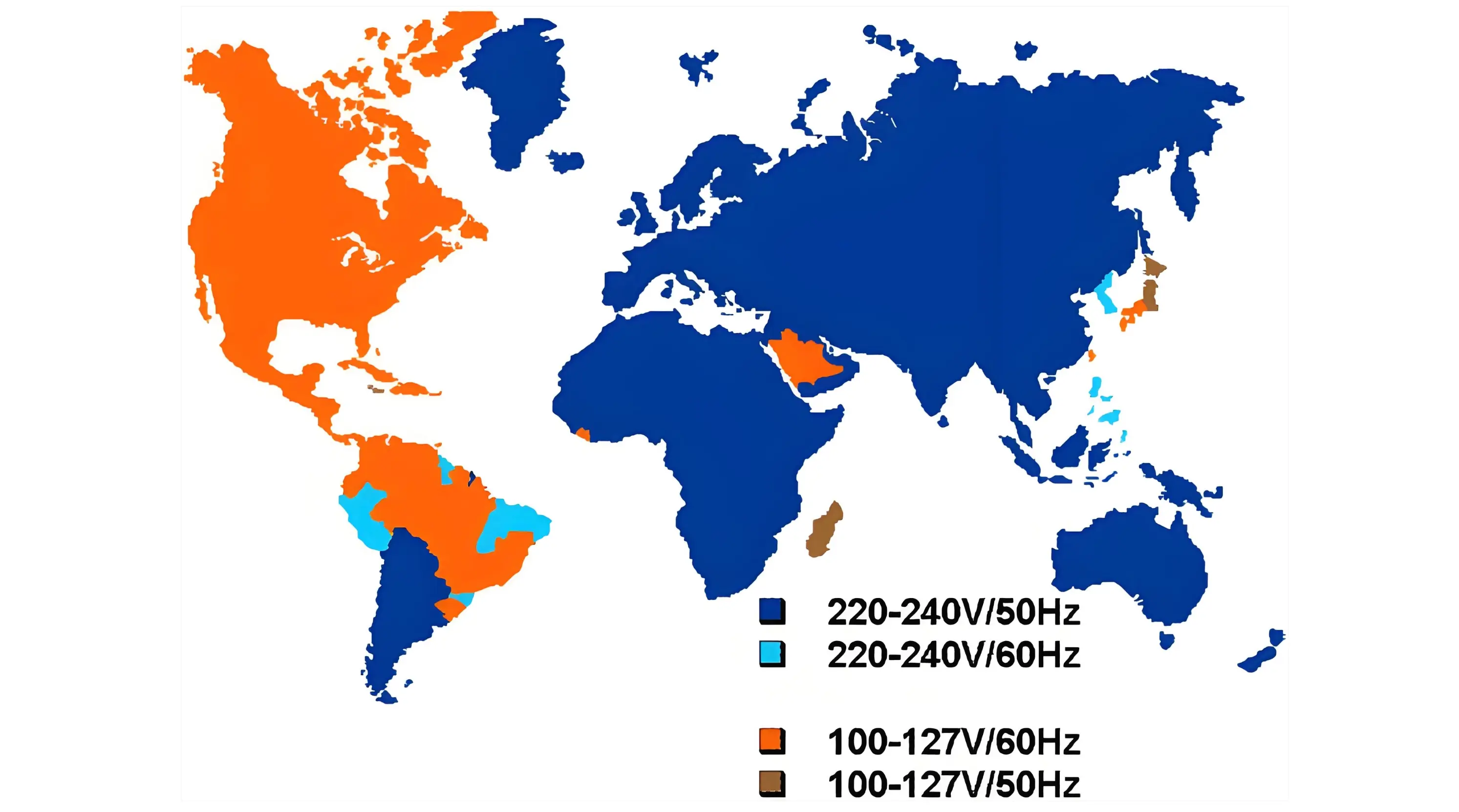
Globally, electrical systems are not uniform. According to international electrical infrastructure statistics, most countries operate either on 120-volt electrical systems (common in North America) or 220–240-volt systems (used across Europe, Asia, the Middle East, and Africa). Because of these differences, outlet designs and plug interfaces vary between regions.
International electrical standards play a central role in ensuring compatibility and safety. For example, the IEC 60884 standard specifies performance requirements for household plugs and socket-outlets, including mechanical endurance tests of at least 5,000 insertion cycles, insulation resistance testing, and temperature rise limits during rated current operation. Similarly, BS 1363, widely used in the United Kingdom and many Middle Eastern markets, defines a fused plug system rated at 13A and 250V, designed to provide additional circuit protection.
Understanding these outlet standards is essential for electrical engineers, distributors, and procurement professionals sourcing wiring devices for international markets. Selecting the correct electrical outlet types and ensuring compliance with local standards reduces safety risks, improves product reliability, and ensures compatibility with regional electrical infrastructure.
In this guide, we will examine how standard electrical outlets are defined, compare the major outlet systems used around the world, explain the materials used in outlet manufacturing, and outline the production and certification processes that determine outlet quality.
What Is a Standard Electrical Outlet?
A standard electrical outlet is a socket device designed according to recognized electrical standards that allow electrical equipment to connect safely to a building’s power supply. It forms the final interface between a building’s fixed wiring and electrical appliances.
In most countries, outlets must comply with national or international safety standards that define the outlet’s voltage rating, current capacity, grounding structure, insulation performance, and mechanical durability. For example, the international standard IEC 60884-1 specifies safety requirements for household plugs and socket-outlets, including insulation resistance testing and temperature rise limits during rated current operation.
Because electrical infrastructure varies between regions, outlet designs are not universal. North America commonly uses 120-volt electrical systems, while most regions across Europe, Asia, and the Middle East operate on 220–240-volt systems. As a result, outlet geometry, grounding methods, and safety features differ between markets.
For procurement teams and electrical distributors, understanding how a standard wall outlet is defined helps ensure that products meet regulatory requirements and remain compatible with local electrical systems.
Definition of a Standard Wall Outlet
A standard wall outlet is a permanently installed socket that connects electrical appliances to a building’s branch circuit wiring. The outlet is typically mounted inside a wall box and provides a controlled electrical connection point for plug-connected devices.
Internally, outlets contain conductive metal contacts, insulation components, and grounding terminals that safely transfer electrical current from the wiring system to the connected plug. These components must maintain stable contact pressure to ensure reliable current flow and prevent excessive heat generation.
Why Standardization Matters in Electrical Systems
Electrical standardization ensures compatibility between electrical devices and the infrastructure of a particular region. Without standardized outlet designs, appliances and electrical installations could become incompatible or unsafe.
Standards such as IEC 60884, BS 1363, and NEMA outlet configurations define key requirements including plug dimensions, grounding design, insulation materials, and temperature limits during operation. These specifications allow outlets manufactured by different companies to operate safely within the same electrical system.
Differences Between Residential and Commercial Outlets
Although residential and commercial outlets may appear similar, their performance requirements can differ. Residential outlets are designed for typical household appliances and moderate electrical loads.
Commercial environments often require outlets that can withstand higher usage frequency and continuous operation. As a result, commercial wall outlets are typically designed with stronger terminal structures, improved contact durability, and higher heat resistance to support demanding electrical loads.
Types of Standard Electrical Outlets Around the World
Electrical outlet designs vary significantly across countries because national electrical infrastructures developed independently over time. Differences in supply voltage, safety regulations, and grounding methods have resulted in multiple outlet systems used around the world.
According to international electrical reference sources, more than 15 plug and outlet types are used globally. However, most residential and commercial installations fall into a few major categories based on regional electrical standards. Understanding these standard electrical outlet types is important for manufacturers, distributors, and procurement teams involved in international electrical equipment supply.
BS 1363 Outlets (United Kingdom and Middle East)
The BS 1363 outlet is widely used in the United Kingdom and many countries in the Middle East, including the United Arab Emirates, Saudi Arabia, Qatar, and Kuwait. This outlet system was introduced in the United Kingdom after World War II and remains one of the most recognizable electrical outlet designs worldwide.
BS 1363 outlets are typically rated at 13A and 250V and use a distinctive three-rectangular-pin plug design. One of the key safety features of this system is the fused plug, which contains a replaceable fuse that protects connected appliances from electrical faults.
Another important safety element is the shutter mechanism inside the outlet. The shutters prevent foreign objects from entering the socket openings and only open when the ground pin is inserted. These safety features make BS 1363 outlets particularly suitable for residential installations.
Type A and Type B Outlets (North America)
In North America, electrical outlets are defined by NEMA (National Electrical Manufacturers Association)standards. The most common residential outlets are Type A and Type B.
Type A outlets use two flat parallel pins and are typically used in older installations without grounding. Type B outlets include an additional round grounding pin and are now the standard configuration used in most residential buildings.
North American electrical systems usually operate on 120V supply voltage, which is lower than the voltage used in most other regions. Because of this lower voltage system, plug and outlet designs in North America differ significantly from European or British outlet systems.
Type C and Type F Outlets (Europe)
Across continental Europe, several outlet systems exist, but the most common are Type C and Type F outlets.
Type C outlets, often referred to as Europlug sockets, use two round pins and are widely used for low-power appliances. Type F outlets, commonly known as Schuko outlets, include grounding clips on the sides of the socket that provide protective earthing.
Type F outlets are typically rated for 16A and 250V, making them suitable for higher power appliances. The Schuko system is widely used in countries such as Germany, the Netherlands, Spain, and many other European markets.
Multi-Standard Universal Outlets
Some buildings and commercial installations use universal wall sockets, which are designed to accept multiple plug types. These outlets attempt to accommodate different international plug configurations within a single socket design.
While universal outlets provide convenience in certain environments such as hotels or international offices, they are not always recommended for high-load electrical installations. Because they must accommodate multiple plug geometries, universal outlets can sometimes provide less optimal contact pressure compared with region-specific outlet designs.
For this reason, many electrical engineers prefer outlets that are designed specifically for the local electrical standard, ensuring better mechanical fit, electrical stability, and long-term reliability.
Materials Used in Standard Electrical Outlets
The reliability and safety of a standard electrical outlet depend heavily on the materials used in its internal conductors and external housing. High-quality outlets must maintain stable electrical conductivity, mechanical strength, and heat resistance during long-term operation.
Because outlets are designed to carry electrical loads continuously, manufacturers must select materials that comply with international safety standards such as IEC 60884-1, which specifies requirements for temperature rise, insulation performance, and mechanical durability.
Three material components play a critical role in determining the performance of a socket outlet: conductive metals, insulating housing materials, and heat-resistant structural components.
Pure Copper vs Brass Conductors
The internal conductive parts of an outlet are responsible for transferring electrical current from the wiring system to the connected appliance plug. These components must maintain low electrical resistance and stable contact pressure.
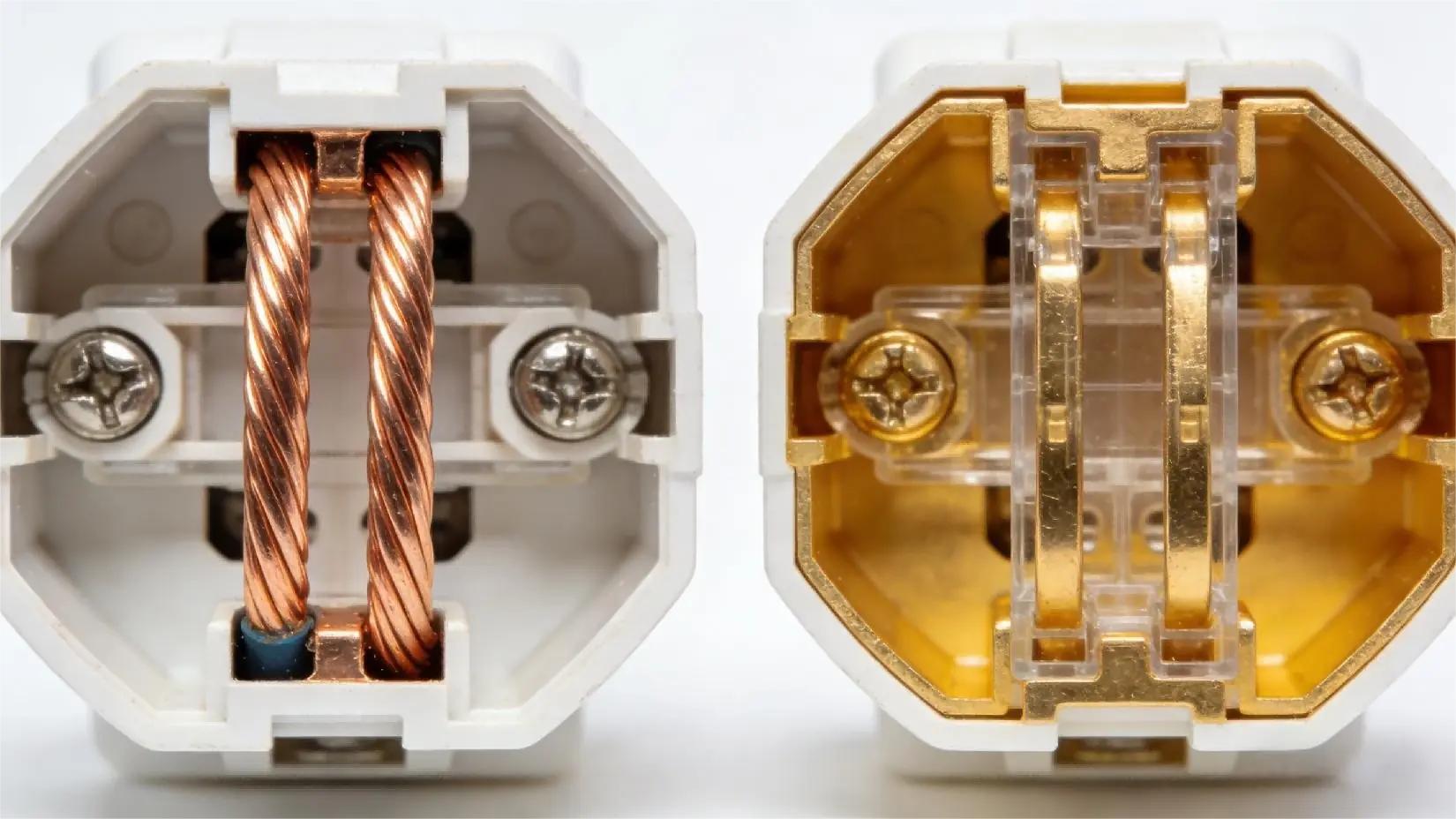
Some manufacturers use pure copper conductors, which have an electrical conductivity of approximately 58 MS/m, making copper one of the most efficient materials for current transmission. High conductivity reduces energy loss and minimizes heat generation during operation.
However, many outlets use brass terminals, which are an alloy of copper and zinc. Brass typically has lower electrical conductivity than pure copper but provides higher mechanical hardness and wear resistance. This makes brass suitable for applications where plug insertion cycles are frequent.
In higher-grade outlets, manufacturers often combine materials by using copper alloy contact components together with reinforced structural terminals. This design balances conductivity with mechanical durability.
Flame Retardant PC Housing
The outer body of an electrical outlet is typically manufactured from polycarbonate (PC), a thermoplastic material known for its excellent impact resistance and electrical insulation properties.
Flame-retardant PC materials are commonly used because they can withstand high temperatures without deformation. Many certified outlet housings comply with UL94 V-0 flame-retardant ratings, meaning the material stops burning within seconds after the ignition source is removed.
Polycarbonate also provides good dimensional stability, which helps maintain the alignment of internal contact components. This stability is essential for ensuring consistent plug contact pressure over long periods of use.
Temperature Resistance for Hot Climate Markets
In regions with high ambient temperatures, such as the Middle East or parts of Africa, electrical outlets must tolerate additional thermal stress during operation.
When electrical current flows through conductive components, a small amount of heat is generated due to electrical resistance. In hot climates where ambient temperatures can exceed 45°C (113°F), poorly designed outlets may experience accelerated material aging or deformation.
For this reason, high-quality high temperature wall socket designs often incorporate reinforced PC housing, heat-resistant terminal alloys, and optimized contact structures. These design improvements help maintain electrical stability and reduce the risk of overheating during long-term use.
How Standard Electrical Outlets Are Manufactured
The safety and reliability of a standard electrical outlet depend not only on design and materials, but also on the manufacturing process. Modern electrical outlet production combines automated equipment with strict quality control procedures to ensure consistent electrical performance and long-term durability.
A typical electrical outlet manufacturing process includes several key stages: plastic injection molding, metal component stamping, terminal assembly, and electrical safety testing. Each stage plays a critical role in ensuring that the finished outlet meets international electrical safety standards.
Injection Molding of PC Housing
The external body of a socket outlet is typically produced through plastic injection molding, using flame-retardant polycarbonate (PC) materials.
During this process, PC pellets are heated to temperatures above 250°C and injected into precision molds under high pressure. Once cooled, the molded housing forms the structural frame that holds the internal electrical components.
High-quality molds ensure consistent dimensions, which is critical for maintaining accurate alignment between plug pins and internal contacts. Poor molding accuracy can lead to loose contact pressure, which may increase electrical resistance and cause overheating during operation.
Terminal Assembly and Contact Materials
The conductive parts of an outlet are produced through metal stamping and forming processes. Copper or copper-alloy sheets are stamped into precise shapes that form the outlet’s electrical terminals and contact springs.
These metal components must maintain stable mechanical pressure when a plug is inserted. Proper contact pressure ensures reliable current flow and reduces the risk of electrical arcing or overheating.
In commercial grade wall outlet designs, manufacturers often use reinforced terminal structures to improve durability and maintain contact integrity over thousands of insertion cycles.
Electrical Safety Testing
Before shipment, finished outlets must pass a series of electrical safety and durability tests required by international standards such as IEC 60884.
Typical socket quality control procedures include:
• Contact resistance testing
• Temperature rise testing under rated current
• Insulation resistance testing
• Mechanical endurance testing (plug insertion cycles)
• Flame resistance testing using needle-flame or glow-wire methods
These tests ensure that the outlet can operate safely under real electrical loads and environmental conditions.
Reliable manufacturers integrate these quality control steps into the production line to ensure that every batch of outlets meets regulatory requirements and maintains consistent product performance.

Certifications Required for Standard Electrical Outlets
Electrical outlets used in residential and commercial installations must comply with recognized safety standards to ensure reliable operation and user protection. These certifications verify that the outlet design meets requirements related to electrical insulation, temperature rise, mechanical strength, and fire resistance.
Because electrical infrastructure differs across regions, certification requirements vary by market. However, most international socket designs are evaluated according to globally recognized electrical safety standards.
For manufacturers exporting to international markets, compliance with these standards is essential for product approval and regulatory acceptance.
IEC 60884 Standard
One of the most widely referenced international standards for household socket outlets is IEC 60884-1, developed by the International Electrotechnical Commission (IEC).
This standard defines safety requirements for plugs and socket-outlets used in residential electrical systems. It covers multiple performance factors, including insulation resistance, temperature rise under rated current, mechanical durability, and protection against electric shock.
Products tested according to this standard are often referred to as IEC compliant electrical outlets, indicating that they meet internationally recognized electrical safety requirements.
BS 1363 Certification
For markets such as the United Kingdom and many countries in the Middle East, electrical outlets must comply with the BS 1363 standard.
BS 1363 outlets are designed for 13A, 250V electrical systems and include several distinctive safety features. These include shutter mechanisms inside the socket and the use of fused plugs to provide additional protection against electrical faults.
Manufacturers supplying these markets must ensure that their outlet designs comply with BS 1363 specifications and pass relevant certification testing through authorized laboratories.
CE Compliance for Export
For electrical outlets sold within the European Economic Area, manufacturers must ensure compliance with CE marking requirements.
The CE mark indicates that a product meets the relevant European directives related to electrical safety and consumer protection. For socket outlets, this typically involves compliance with the Low Voltage Directive (LVD) and related harmonized standards.
A CE certified wall socket demonstrates that the product has been evaluated for safety and meets the regulatory requirements necessary for sale within European markets.
Choosing a Reliable Electrical Outlet Manufacturer
Selecting a reliable electrical outlet manufacturer is an important decision for distributors, electrical wholesalers, and project contractors. Because outlets are safety-critical electrical components, inconsistent manufacturing quality can lead to overheating, contact failure, or reduced service life.
When evaluating potential suppliers, procurement teams typically focus on three key areas: material quality, production capability, and customization flexibility.
Material Quality
The materials used in an electrical outlet directly influence its safety performance and durability. Reliable manufacturers provide clear specifications for conductive metals, insulation materials, and internal components.
For example, high-quality outlets often use high-conductivity copper alloys or reinforced brass terminals, combined with flame-retardant PC housing materials that meet international fire safety standards. These materials help ensure stable electrical contact and reduce heat generation during long-term operation.
Procurement teams should also confirm whether the supplier performs material verification and electrical testing to ensure consistency between production batches.
Production Capacity
Manufacturing capability is another important factor when selecting an outlet supplier. Large electrical distributors and construction projects often require stable supply over extended periods.
A professional outlet manufacturer typically operates multiple injection molding machines, automated assembly lines, and dedicated quality inspection procedures. These systems help maintain consistent product dimensions and reliable electrical performance across large production volumes.
Stable production capacity also ensures that delivery schedules can be maintained, especially for projects that require large quantities of outlets within a defined construction timeline.
OEM and Private Label Capability
Many distributors and electrical brands prefer to work with manufacturers that provide OEM or private label production services.
OEM capability allows buyers to customize product appearance, packaging, or branding while using the manufacturer’s existing product platform. This approach enables distributors to build their own brand identity without investing in independent product development or manufacturing infrastructure.
Manufacturers with strong OEM experience typically offer flexible solutions such as logo customization, packaging design, and product configuration adjustments, helping distributors adapt products to the preferences of their local markets.
Frequently Asked Questions About Standard Electrical Outlets
Understanding the design, standards, and manufacturing of electrical outlets is important for both electrical professionals and procurement teams. Below are several common questions related to standard electrical outlets, international standards, and manufacturing considerations.
What is considered a standard electrical outlet?
A standard electrical outlet refers to a socket designed according to recognized national or international electrical standards. These standards define important parameters such as voltage rating, current capacity, grounding design, insulation performance, and mechanical durability.
For residential electrical systems, the most common outlet standards include BS 1363 (UK and Middle East), NEMA configurations (North America), and Type C or Type F outlets (Europe). Each of these standards ensures compatibility between electrical appliances and the building’s wiring infrastructure.
A standard outlet must also comply with safety requirements related to electrical insulation, temperature rise under load, and protection against accidental contact with live parts.
What outlet standard is commonly used in the Middle East?
Many countries in the Middle East use the BS 1363 outlet standard, which originated in the United Kingdom. This outlet system is widely adopted in markets such as the United Arab Emirates, Saudi Arabia, Qatar, Kuwait, and Oman.
BS 1363 outlets are typically rated for 13A and 250V, and they use a three-rectangular-pin plug configuration. One distinctive safety feature of this system is the fused plug, which provides additional protection against electrical overload or equipment faults.
Another important safety feature is the internal shutter mechanism, which prevents foreign objects from entering the socket openings.
Are copper conductors better than brass in electrical outlets?
Copper generally has higher electrical conductivity than brass, which allows electrical current to flow more efficiently. Pure copper has a conductivity of approximately 58 MS/m, making it one of the most effective materials for electrical conduction.
However, brass is commonly used in electrical outlet terminals because it offers greater mechanical strength and wear resistance. Since outlets must endure repeated plug insertion cycles, brass can provide improved durability in certain structural components.
For this reason, many outlet designs combine copper alloy contacts with reinforced brass terminals, balancing electrical performance with mechanical reliability.
What certifications are required for exporting electrical outlets?
Electrical outlets exported to international markets must comply with relevant electrical safety standards and certification requirements.
For example:
• IEC 60884 is widely used as a global reference standard for household plugs and socket outlets.
• BS 1363 certification is required for outlets sold in the United Kingdom and many Middle Eastern markets.
• CE marking is required for electrical products sold within the European Economic Area.
These certifications confirm that the outlet design meets requirements related to electrical safety, insulation performance, and mechanical durability.
How long does electrical outlet manufacturing take?
The manufacturing time for electrical outlets depends on production quantity, factory capacity, and product configuration.
For standard outlet models already in production, manufacturing typically takes 20–35 days after order confirmation. This production timeline includes raw material preparation, plastic injection molding, metal terminal stamping, assembly, and electrical safety testing.
If customization such as OEM branding, packaging design, or new mold development is required, the overall production timeline may be longer.
What is the typical MOQ for electrical outlet production?
Minimum order quantity (MOQ) varies between manufacturers depending on product type and production scale.
For most standard wall socket models, the MOQ commonly ranges between 500 and 1000 units per model. This quantity allows manufacturers to optimize material usage and production efficiency.
For distributors or private label brands, larger order volumes often provide better pricing and more flexible customization options.